


|
· $3.7 billion investment in new infrastructure:
Auckland Future Fund generated a gross investment return of $139 million during the year and distributed $71 million to Auckland Council. Savings target exceeded by $11.2 million, to achieve $97.2 million total savings – directly keeping rates down. |
Auckland Council delivered on big commitments in 2025/2026 – new public transport assets, a strengthened water and wastewater network, more renewed roads than ever and upgraded community facilities.
But it wasn’t without managing challenges, as volatile fuel costs, economic uncertainty and cost-of-living pressures continue to demand a financially resilient council.
Auckland Council’s Annual Report 2025/2026, released today, opens the books on year two of the Long-term Plan 2024-2034.
Mayor Wayne Brown said the completion of the Central Interceptor and the City Rail Link will benefit Aucklanders for generations.
"We are delivering what we said we would—resilient infrastructure that improves our roads, public transport and water networks,” says Mayor Brown.
“All this on the eve of transport reform formally moving Auckland Transport's planning and roading functions into council, we continue to progress work that will make a difference to the lives of Aucklanders who want an efficient, connected city."
Deputy Mayor Simpson agreed. "This report is something to be proud of given the current economic context. Auckland Council is continually looking for savings and, in fact, has surpassed its considerable savings targets this year by over $11 million to just under $100 million.”
Improving resilience and managing growth
Careful investment and prioritisation across the council group is enabling the council to deliver on its long-term plan aim of improving Auckland’s resilience and investing to manage growth.
Auckland Council chief executive Phil Wilson said the council has delivered effectively for Aucklanders, balancing the needs of a growing city with goals to keep rates affordable and deliver increased value for money.
“We knew that communities still faced a rates increase from us that was signalled in our long-term plan, but I’m pleased that the organisation stepped up and absorbed virtually all additional inflationary pressure, plus achieved its savings target,” says Mr Wilson.
“We achieved several significant milestones this year – delivering new regional assets, such as the CRL and Central Interceptor, alongside changes to how we can better deliver as an organisation and work with our partners.
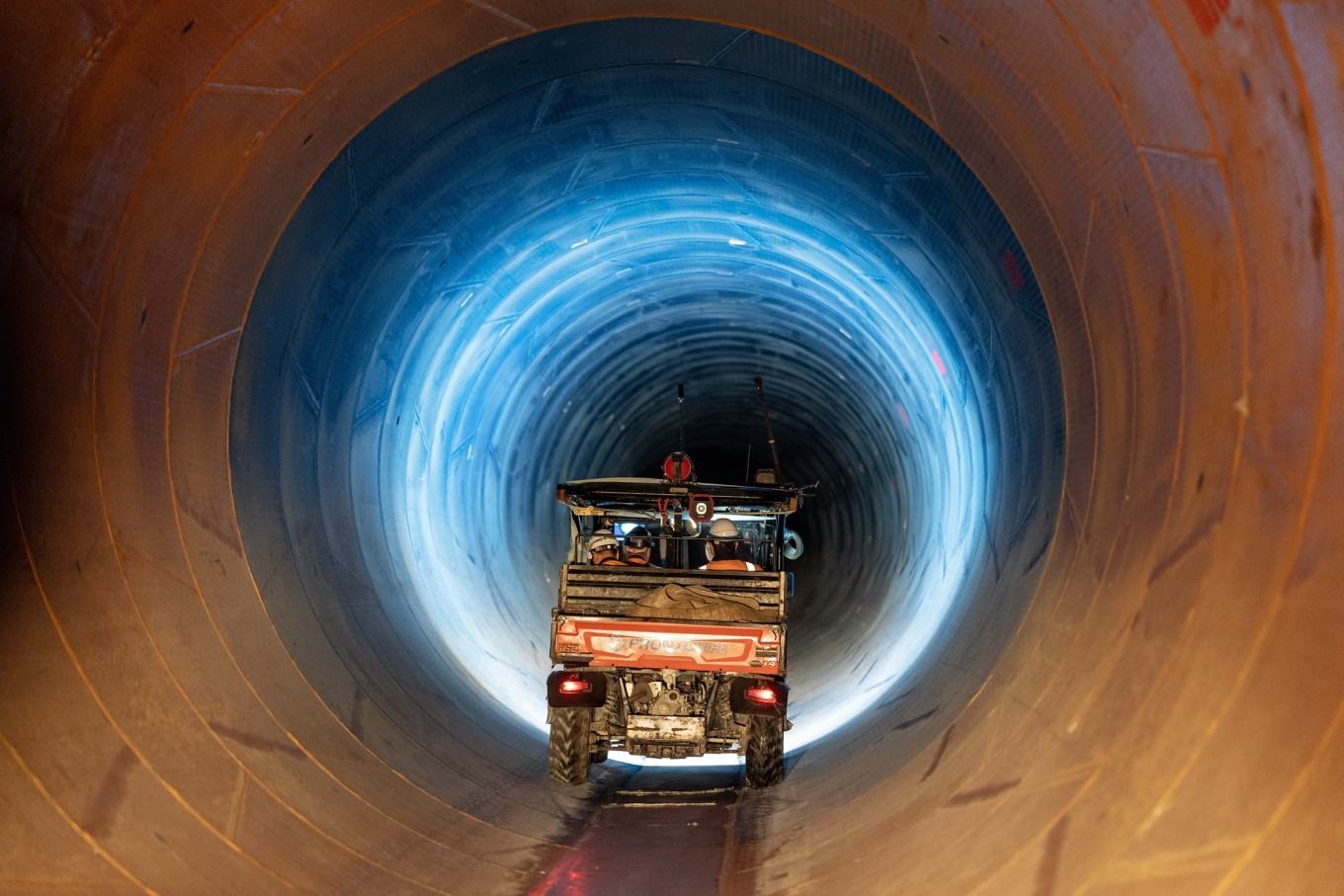
Central Interceptor. Photo credit: Watercare.
“Negotiating the landmark Auckland City Deal this year was New Zealand’s first and a new era of long-term partnership between Auckland and central Government. Collaboration will always be critical to the results we deliver.
“After three years leading the region’s largest ever disaster recovery programme, we also closed our recovery office. Auckland Emergency Management will now carry forward the lessons learned and we’re in a much stronger position for future emergencies.”
Mr Wilson said beyond large-scale projects, continuing to provide day-to-day services and local facilities Aucklanders use, remains front of mind.
“Community investment also continues to be at the heart of what we do. This year we continued with asset upgrades including sports and recreation facilities, pools and libraries, alongside projects such as Te Whau Pathway and new playground renewals. Our facilities host millions of users each year – helping Aucklanders stay active, connected and engaged in their communities.”
Challenging conditions
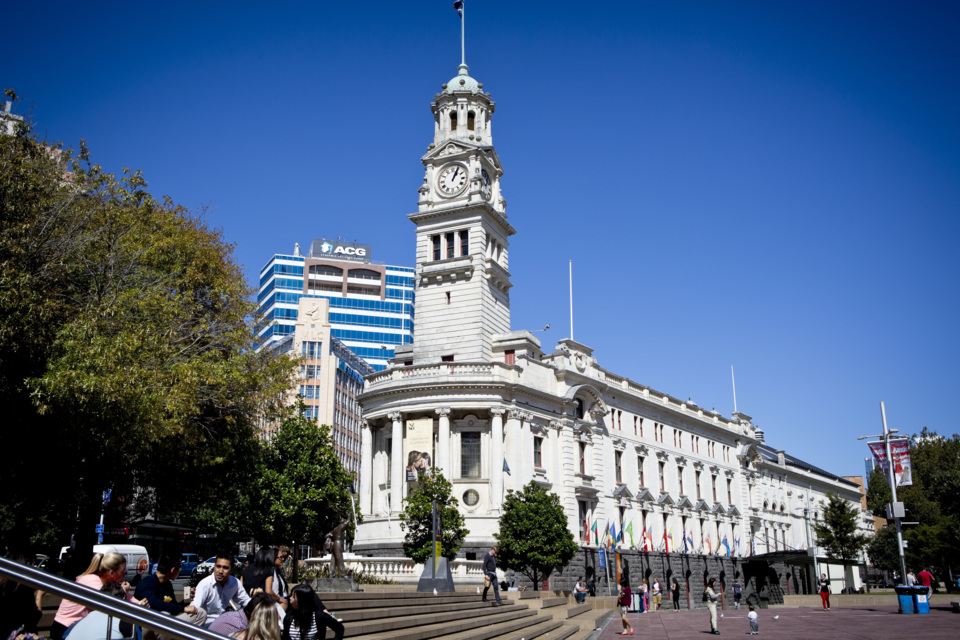
Managing volatile economic conditions has added to the challenge – with the council striving to strike the balance between investing in regional and local assets and services, while maintaining a budget that can manage rising fuel and inflationary costs, into the future.
Council group chief financial officer Ross Tucker said the council group had a positive year, reflecting proactive project planning and close attention to how rising costs are managed.
“Additional financial pressures such as higher fuel prices are a significant cost driver for many of our community and transport services. Careful planning and continual monitoring is managing some of this cost pressure, and we continue to build on positive savings and efficiencies.”
Mr Tucker highlighted that debt is used to spread the cost of new and improved assets over the generations that will benefit from them. Strong capital investment in the year contributed to a $4.3 billion increase in total assets for the group to $86.5 billion. At the same time, net borrowing has increased by $1.4 billion to $15.5 billion.
Debt continues to be well managed and key measures of sustainability sit comfortably within limits. For example, the council’s debt-to-revenue level of 224 per cent is well below its prudential limit of 270 per cent. Strong credit ratings have been retained – AA from S&P Global and Aa2 from Moody’s Investor services.
Read our Annual Report 2025/2026.
Highlights from 2025/2026
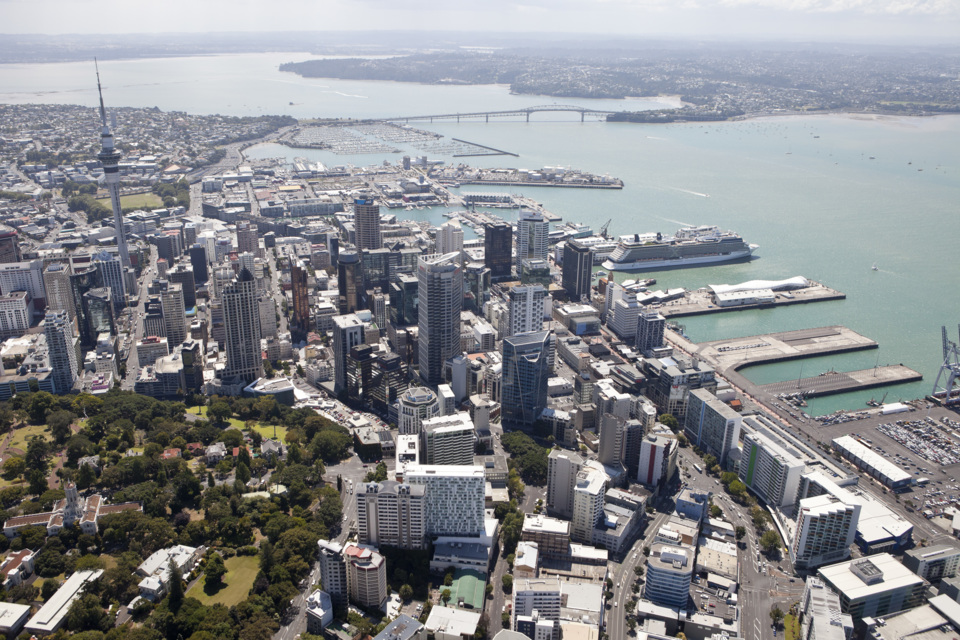
$3.7 billion investment in new infrastructure
Priority projects in roading and public transport, water supply and wastewater management, and community projects that help manage the region’s growth.
- $1.5 billion on transport-related assets to improve reliability, safety and capacity of Auckland’s transport network. This included roads renewals, expanding public transport assets and delivering new transport infrastructure, with the City Rail Link achieving practical completion in June 2026 for opening in September 2026.
- $1.2 billion on clean water, wastewater and stormwater assets. This includes completing Watercare’s Central Interceptor wastewater tunnel. This will significantly reduce wet weather overflows, improve water quality in Central Auckland’s harbours and waterways, and support a healthier environment for future generations.
- $1 billion on other assets such as upgrades to sports facilities, community buildings, parks and playgrounds. This included Risk Category 3 property buy-outs.
A financially resilient council
The Auckland Future Fund is now providing for Auckland’s long-term financial resilience. It also provides an additional revenue source, helping reduce reliance on rates to fund services and infrastructure for Auckland. The fund generated a gross investment return of $139 million during the year and distributed $71 million to Auckland Council.
Recovery and flood prevention
The group continued to make good progress on its recovery programme following the 2023 severe weather events. Last year, the council invested $405 million in property buy-outs for 344 properties with an unacceptable risk to human life, making Auckland safer and more resilient. Since 2023, Auckland Council had purchased a total of 1,159 Risk Category 3 properties, with the programme remaining on track for completion in 2026/2027. Flood resilience was also a key priority for ongoing investment. The council also invested significantly in flood resilience projects during the year, strengthening Auckland's resilience to future flooding and severe weather events while helping to reduce the potential social, environmental, and financial impacts of future storms.
Revenue
Revenue was on track, with $8.7 billion received for the year. The report showed vested assets as $1.8 billion less than budget primarily because the completed City Rail Link assets were treated as an increase in assets rather than revenue.
Operating expenditure
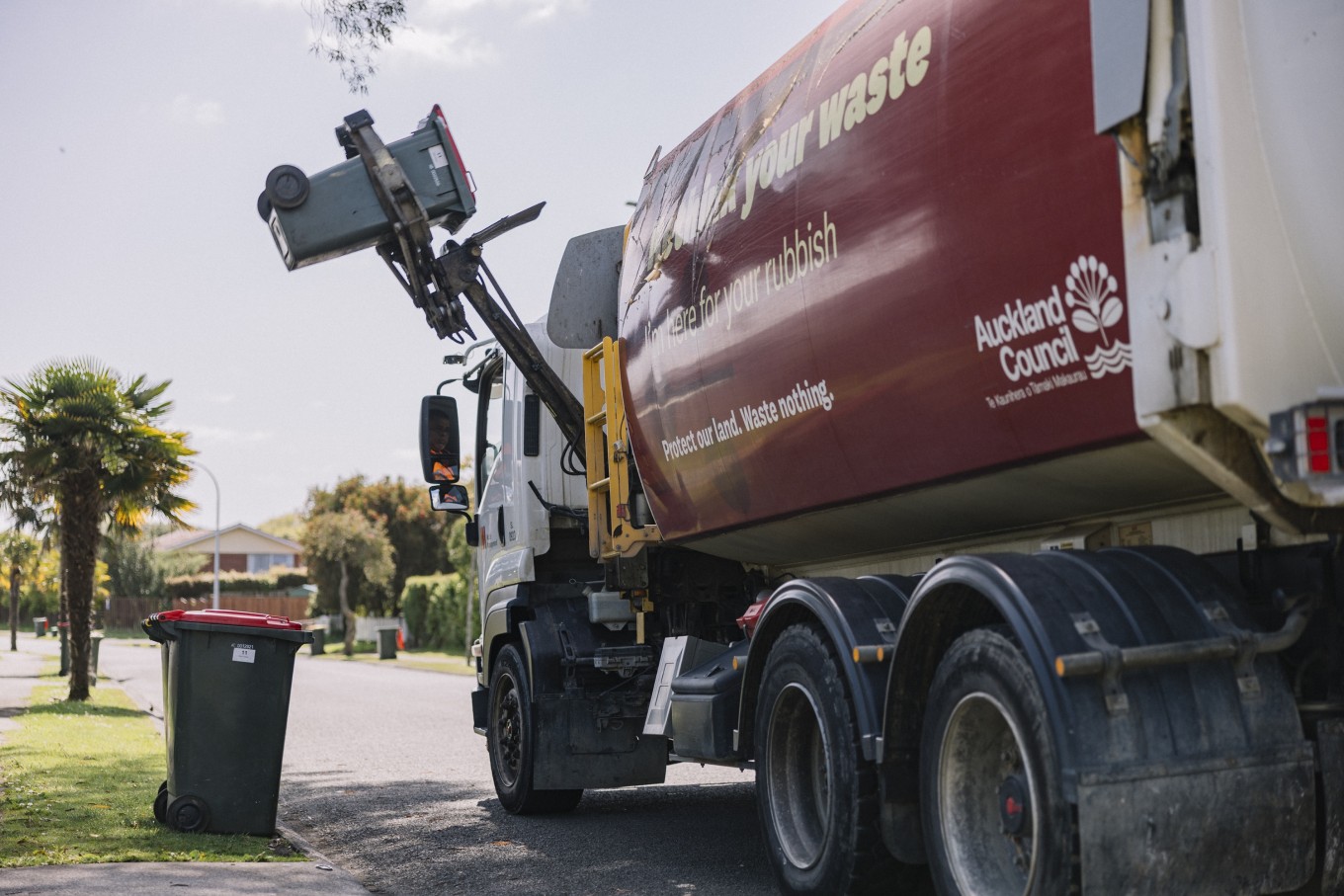
Services and maintenance of assets and infrastructure for Aucklanders included collecting over 22,000 tonnes of food waste and recycling; operating public transport services; maintaining parks and the natural environment; managing libraries, pool and leisure facilities and venues for 17 million visits. The direct cost of delivering these services was less than budgeted, although non-cash items such as depreciation and increases in accounting provisions meant that overall operating expenditure was $398 million higher than budget.
Saving and seeking out greater efficiency
Last year, the council exceeded its savings target by $11.2 million, achieving $97.2 million in savings. This is directly keeping rates down. The Better Value Projects initiative is also helping deliver the best possible value for ratepayers from the group’s capital programme.
Investment area highlights
Transport
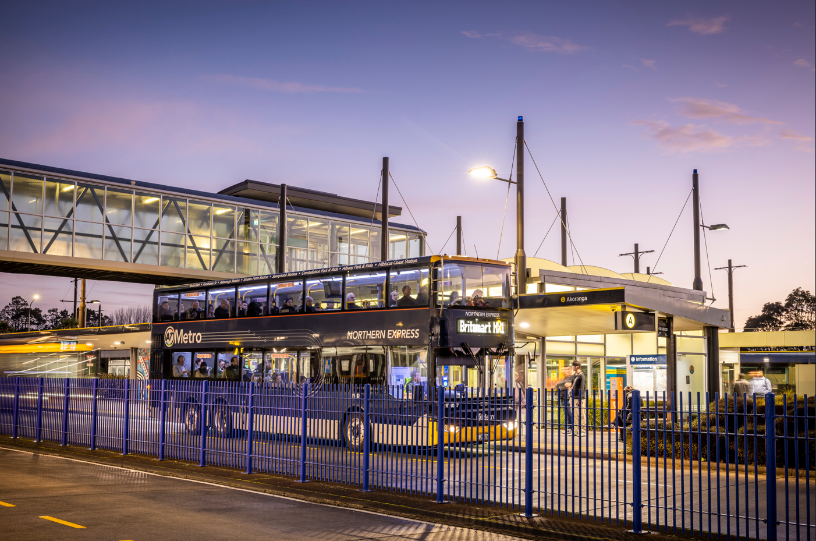
Frequent services mean you can turn up and go on key routes across the city.
The council has worked to strengthen the reliability and safety of Auckland's transport network, including continuing to grow the largest fleet of electric buses in Australasia (a total of 427 electric buses).
The largest road renewal programme ever undertaken, with more than 500km of Auckland’s road network was resurfaced and rehabilitated.
City Rail Link progressed to its launch – September 2026!
Work was undertaken to replace pedestrian rail crossings on the southern line at Glen Innes, Takaanini and Te Mahia stations.
The Eastern Busway bus corridor between Pakūranga and Botany was progressed, which will expand public transport options for communities in east Auckland, this included opening Rā Hihi flyover from October 2025.
Water
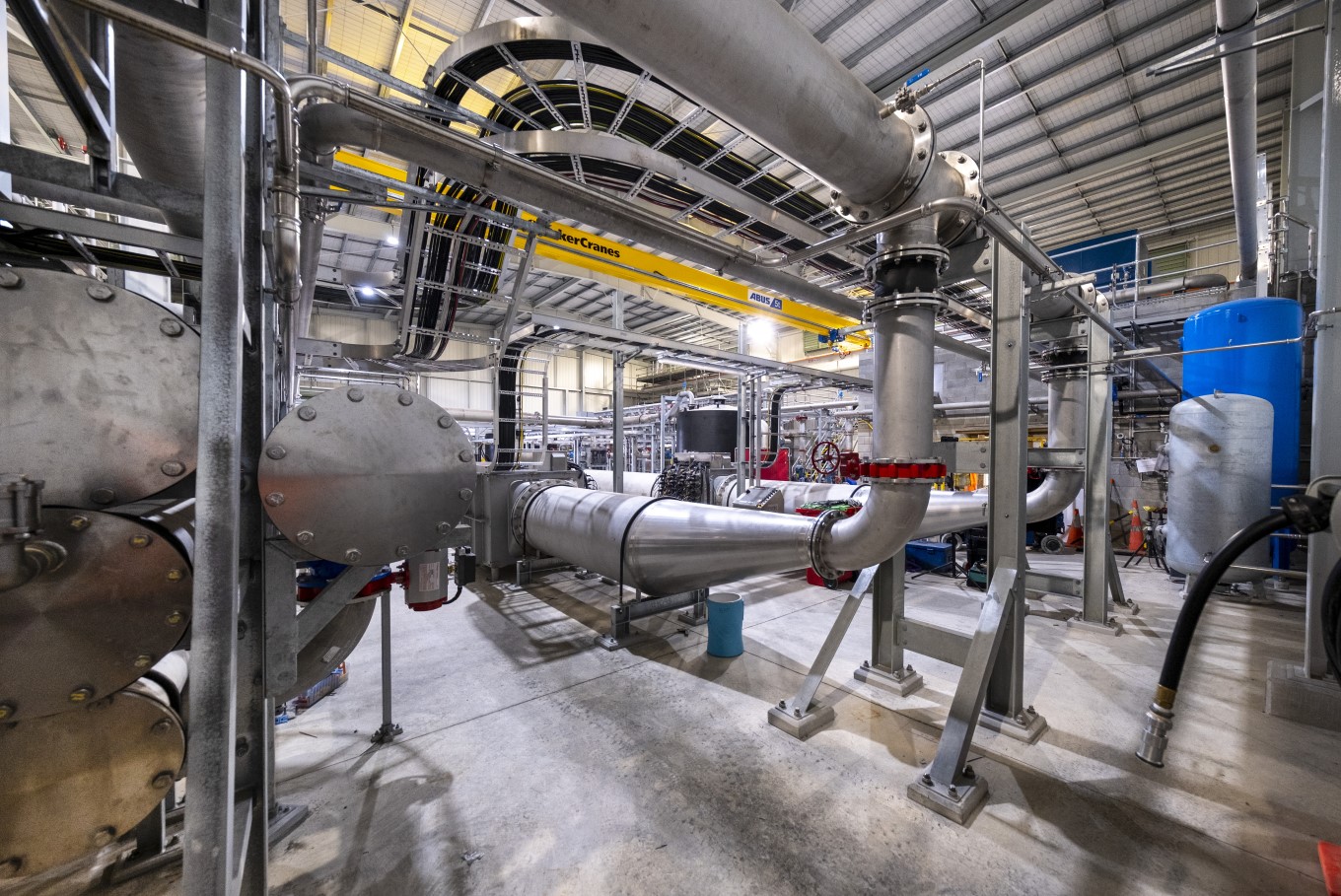
Water infrastructure in the Auckland region has been significantly improved over the last year.
Wastewater improvements:
- Watercare completed the Central Interceptor, Aotearoa New Zealand’s largest wastewater project
- Upgrade to the Clarks Beach Wastewater Treatment Plant
- Progress on the Northern Interceptor project
- Opening of the Snells Beach Wastewater Treatment Plant – supporting growth in Warkworth and surrounding communities.
Drinking water:
Watercare completed a major new connection into the Mt Albert reservoir to improve water security, and progressed network resilience and water supply capacity for communities across Mt Albert, Ōwairaka and Wesley. This will support growth in the inner west for an estimated 4,000 new homes.
Stormwater and water quality:
- Increased capacity of Te Ararata and Harania Creek in Māngere to better manage stormwater flows and reduce flood risk for around 320 properties, as part of the Making Space for Water programme
- The stormwater culvert was replaced at Paerata Rd, with a 12m long bridge across Whangapouri Creek
- Renewed 1.4km of pipes across 15 locations
- Completion of 24 projects to reduce health, safety or flooding risks.
- Four major projects helping improve water quality in Waitematā Harbour.
Community facilities
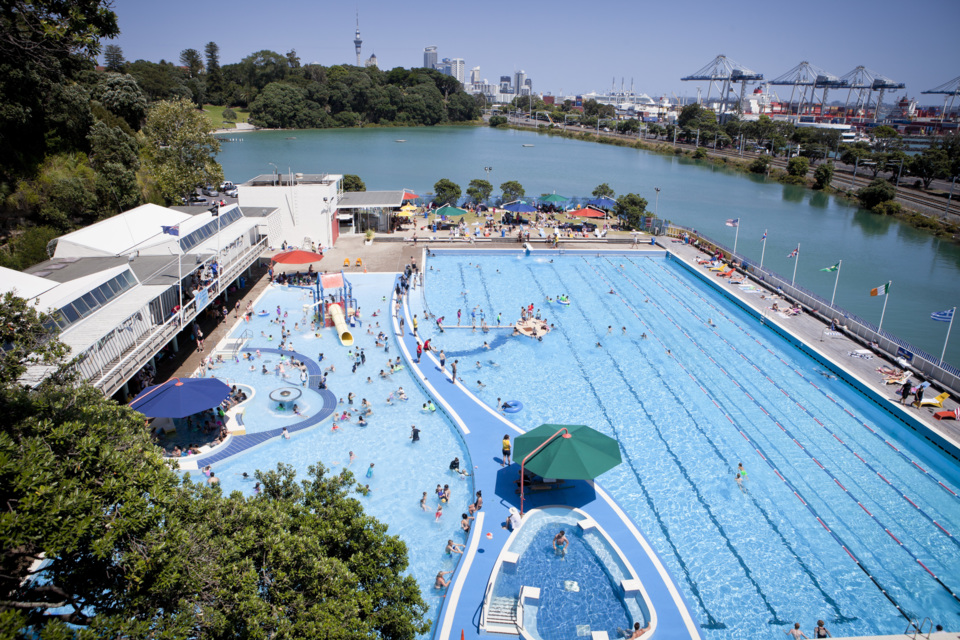
Investment in libraries, parks, playgrounds, walking and cycling tracks, aquatic and recreation facilities, helping Aucklanders stay active, connected and engaged in their communities.
Designing, upgrading and renewing sports fields’ drainage, irrigation and lighting to increase sports field capacity across Auckland.
Providing a safe off-road, shared pathway along the Whau River, linking the SH16 Northwestern Cycleway to Bridge Avenue and Horowai/Roberts Field.
Work completed on heritage buildings, including the major restoration of the 139-year-old Auckland Art Gallery Toi o Tāmaki heritage building and the upgrade of the Nathan Homestead, a heritage community facility and café in Manurewa.
Improved local public spaces to create more vibrant, accessible and connected neighbourhoods, including: the Lagoon Edge Reserve in Panmure, Catherine Plaza in Henderson, Te Pae Mahara Roulston War Memorial Park in Pukekohe.
Construction progressed on Te Hono Library and Community Hub in Avondale, the new Northcote Community Hub, the revitalisation of Puāwai Cadness Reserve and the final section of Te Ara Awataha greenway.
City Centre progress
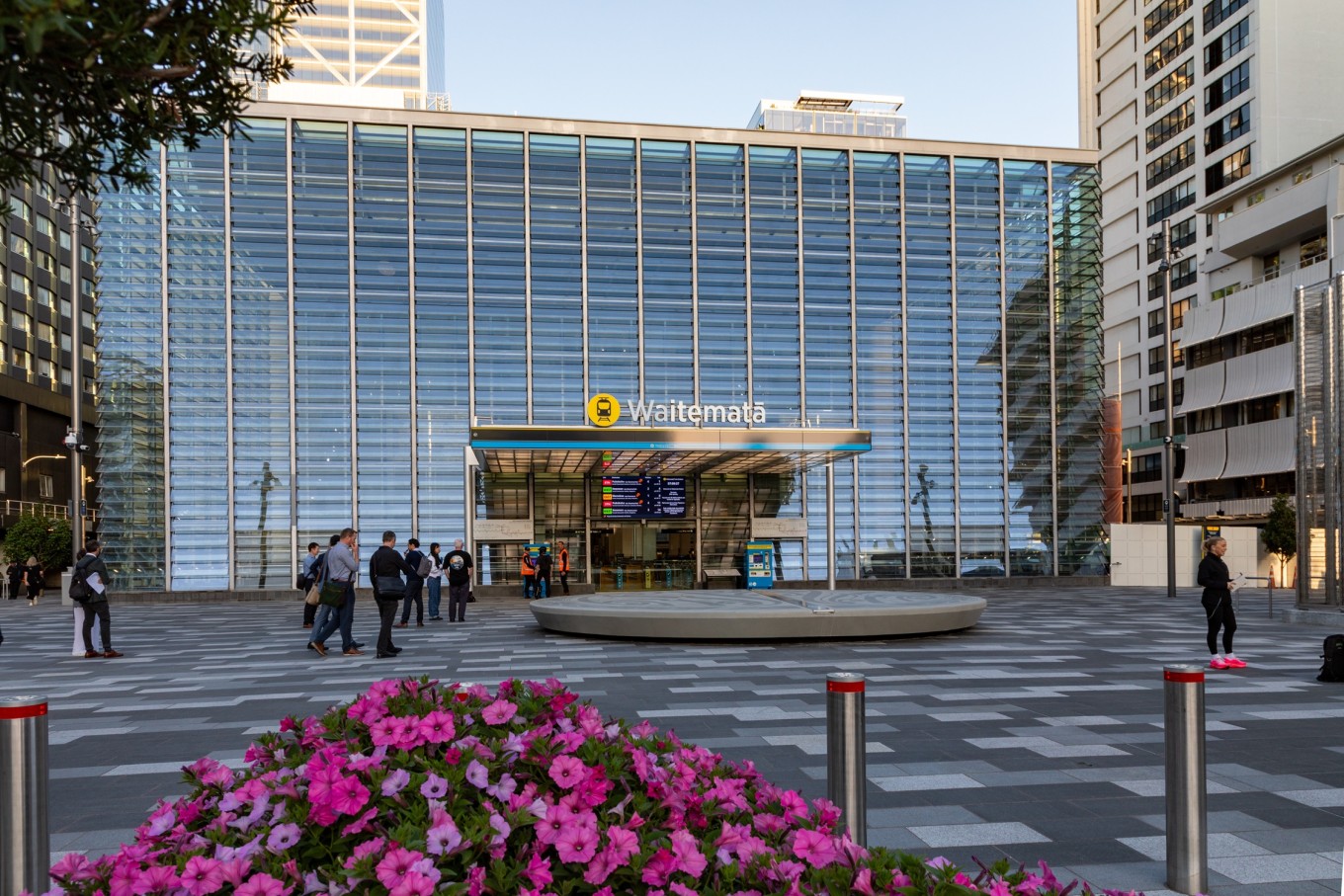
Recently re-opened glasshouse entrance to Waitematā Station.
Beresford Square, Waitematā Station Plaza and Tyler Street public space upgrades were completed.
Further developments underway to create a vibrant, accessible and inclusive city centre that contributes significantly to the Auckland region.
Climate change and Māori communities
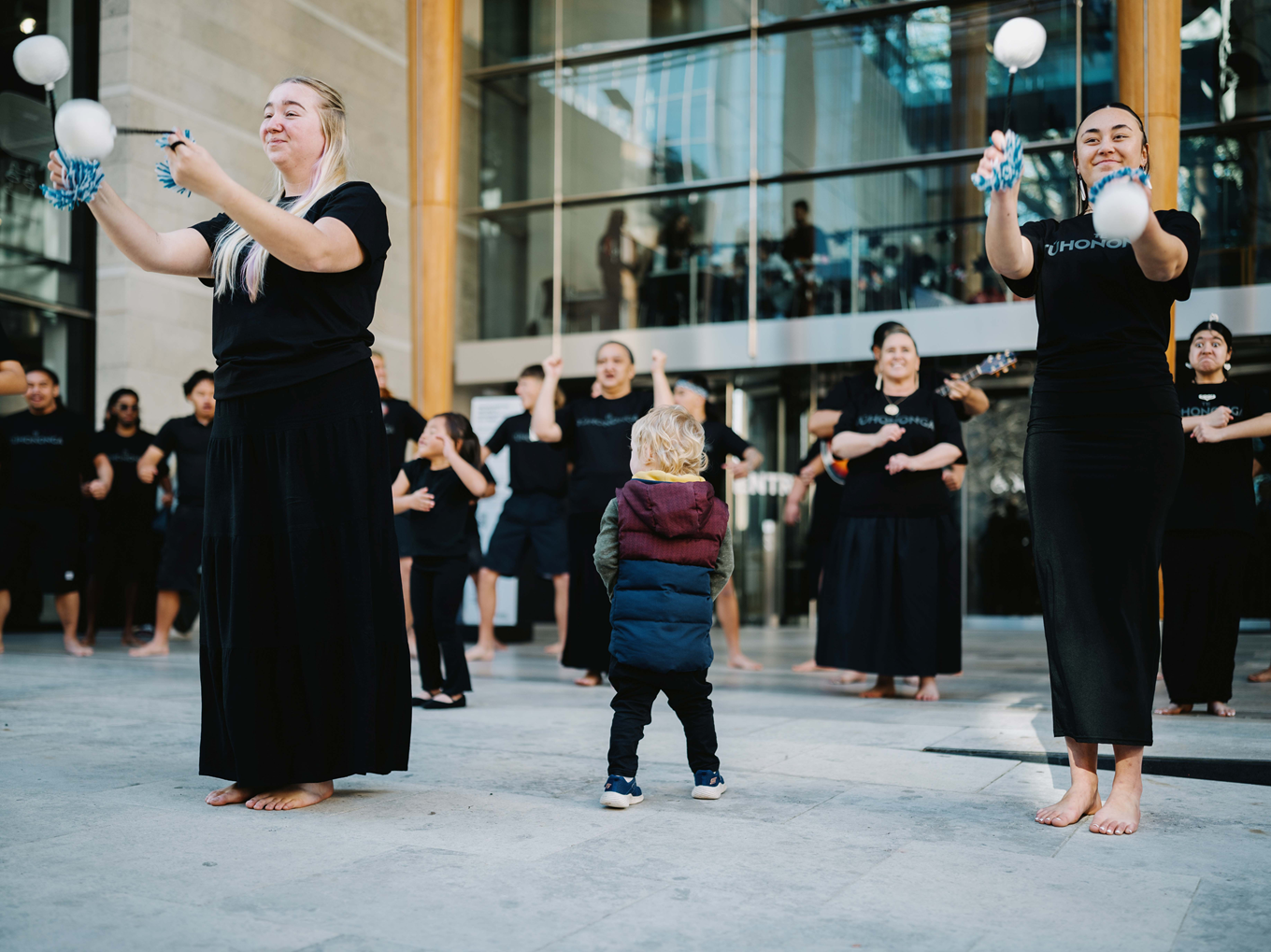
The Māori Outcomes Fund invested in 18 initiatives and provided 25 grants during 2025/2026, supporting projects that strengthen Māori communities, capability and wellbeing across Tāmaki Makaurau.
Our Te Ara Urutau – Climate and Emergency Ready Fund supports community organisations to take bold action to reduce emissions and prepare for climate change emergencies and impacts. A total of $1.85 million was invested for the first round of grants, with 95 community organisations receiving either funding or equipment to support their journey to climate resilience.