


East Auckland communities are benefiting from improved productivity and more reliable transport connections one year on from the opening of the Rā Hihi - flyover.
Over 1 million vehicles have now used the 600-metre flyover, which provides a direct connection between Pakuranga Road and the South Eastern Highway.
Following the opening of Rā Hihi, early monitoring shows travel times have improved on key East Auckland routes via the flyover and on Pakuranga Road.
Chair of Auckland Council’s Transport and Infrastructure Delivery Committee, Councillor Andy Baker says the delivery of the Rā Hihi - flyover, which was completed by Auckland Transport five months ahead of schedule and more than $4 million under budget, is a boost for East Auckland.
“It’s great for ratepayers and communities when projects like this are finished ahead of time and below budget, so well done everyone involved for such an awesome effort.
“Even at this stage of the overall project, the flyover is giving time back to people in their lives, time not now spent in long queues of traffic. There’s still work to be done but this positive downstream effect on the local economy, productivity, and most of all on family time cannot be sniffed at,” he says.
The flyover creates the space needed beneath it for the Eastern Busway extension from Pakuranga to Botany, set to support faster, more reliable public transport services and improved access to jobs, education and key destinations across Auckland.
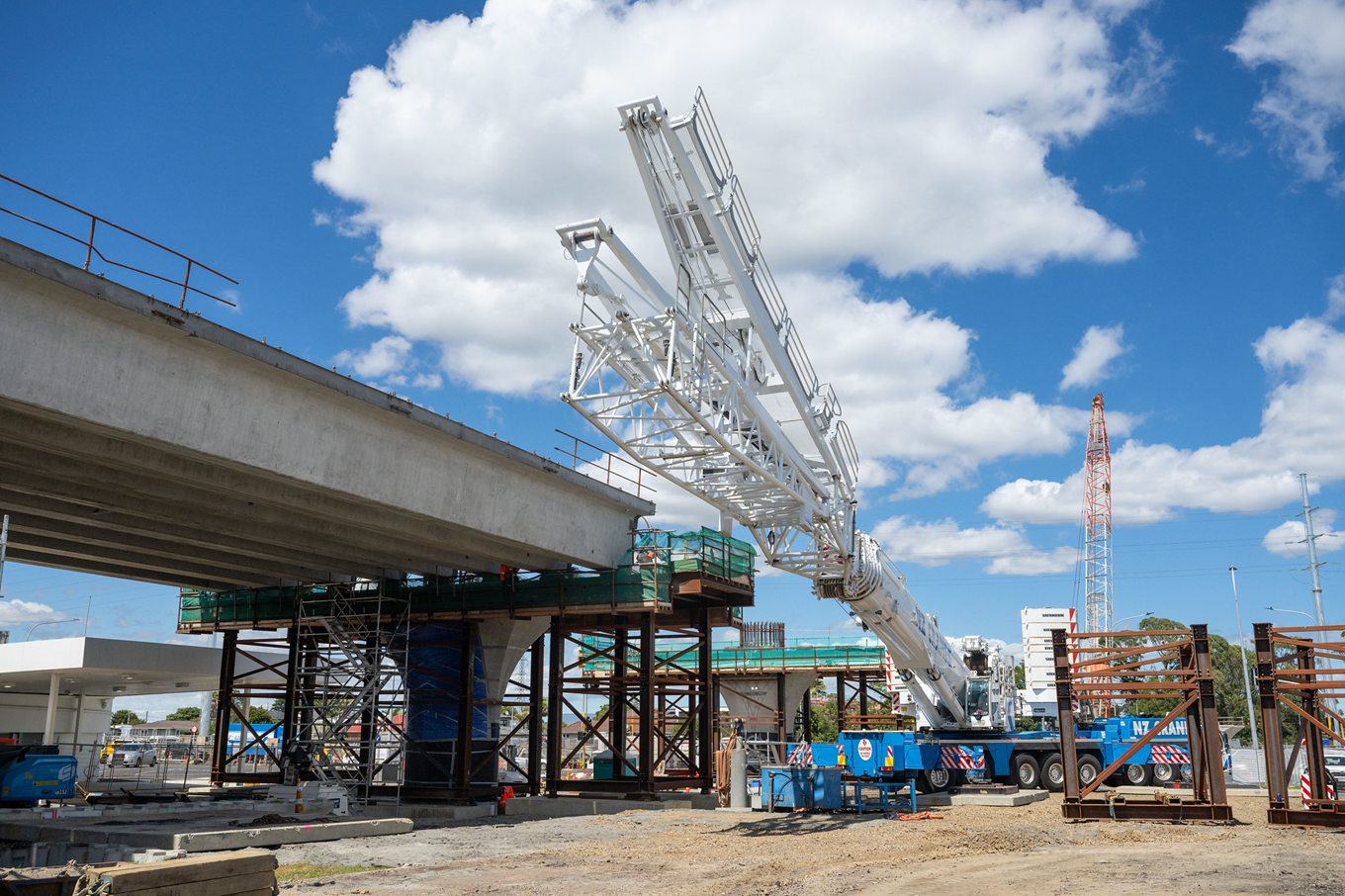
Rā Hihi flyover under construction.
When complete, the Eastern Busway will give people more reliable travel choices by connecting Panmure and Botany via Pakuranga with seven kilometres of dedicated busway, supporting an expected 18,000 daily bus passenger trips by 2028, along with 15 kilometres of walking and cycling routes.
Beyond its economic and transport benefits, research [PDF 1MB] shows that reliable travel options help people make better use of their time, reducing the stress and unpredictability that can come with a growing city and allowing them to focus on the things that matter most to them.
East Auckland local John Gamboa says he and his wife have noticed a real difference in travel times using the new Rā Hihi - flyover route to go to Sylvia Park, shop for groceries and pick their daughter up from school each weekday.
“What has changed big time is the time we spend travelling to pick her up. There’s also the comfort of knowing I’m not going to get stuck in that long queue that was always there before the flyover opened.

John Gamboa and his daughter use the Rā Hihi flyover, saving the family about 50 minutes a week in travel time.
“It makes our daily routine less stressful because I’m not constantly worrying about being late for pickup. There were a couple of times before when she ended up being one of the last kids waiting to be picked up, and as a parent, that made me feel really bad,” he says.
The family saves about 10 minutes a day, or 50 minutes a week.
The wider benefits will continue to grow. With the City Rail Link now open, East Aucklanders are experiencing stronger connections across the Auckland Rapid Transit (ART) network, making it easier and faster to travel throughout the region.
Rā Hihi - flyover artwork - reflecting the area's cultural history
Named by mana whenua, Rā Hihi means ‘sun’s rays’. Designs by mana whenua nominated artist Reuben Kirkwood (Ngāi Tai ki Tāmaki, Waikato Tainui, Waiohua, Ngāti Ruanui) on the flyover reflect the area's cultural history and importance, and help to create a sense of welcome for people who travel through East Auckland.
Flyover facts:
Rā Hihi - Flyover
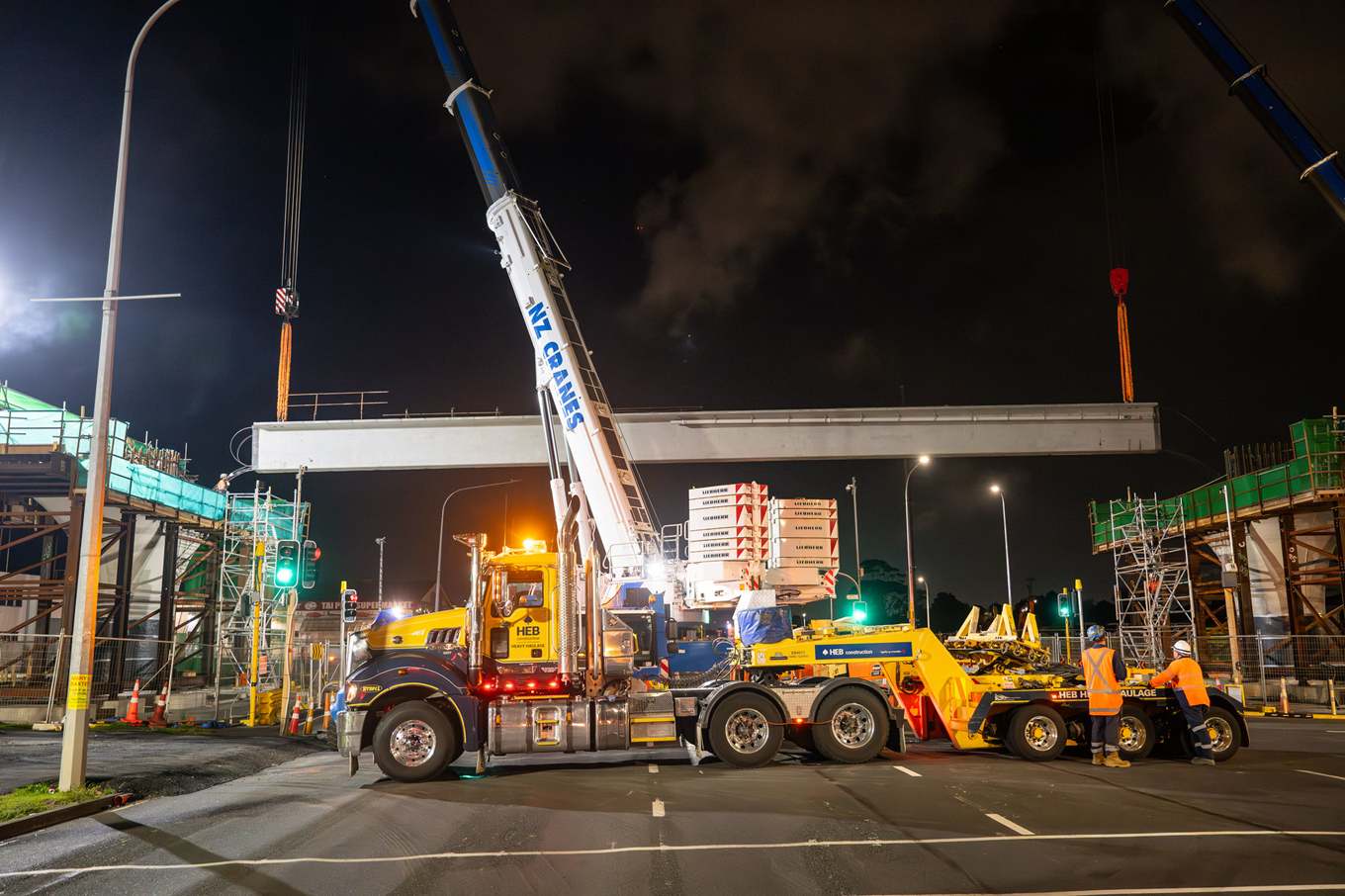
Rā Hihi is a flyover above Reeves Road that provides a direct link between Pakuranga Road and Pakuranga Highway, crossing above Tī Rākau Drive where the Eastern Busway is being constructed and improving travel through Pakuranga Town Centre.
Rā Hihi means "sun's rays". The name was gifted by mana whenua and references the story Te Pakuranga Rā Hihi ("The battle of the sun's rays").
The flyover separates major traffic movements, creating space for the Eastern Busway beneath Tī Rākau Drive and enabling the next stage of East Auckland's rapid transit network.
It provides faster, more direct connections between East Auckland and the city while supporting new walking, cycling and public transport links.
Early Performance Results
The greatest improvements have been recorded on the Rā Hihi route, reflecting the higher traffic volumes using the flyover. Over 1 million vehicles have now used the flyover.
The largest travel time savings occur during the busiest period of the afternoon peak, between approximately 4.30pm and 6.00pm.
Traffic flow has been further improved through signal optimisation, coordinated traffic signals and ongoing adjustments by Auckland Transport's Operations Centre.
Key dimensions
Length: 600m
Width: 18m
Height: 10m
Four traffic lanes, with two lanes in each direction
Construction by the numbers
24 foundation piles, each 30 metres deep
16 support piers
17 bridge spans made from 136 Super T beams
Longest span: 40 metres across Tī Rākau Drive
Heaviest beam: 90 tonnes
Concrete used: 11,500m³
Steel used: 2,500 tonnes
Part of the Eastern Busway
7km of dedicated busway between Panmure and Botany
Four new bus stations
Project Delivery
Flyover completed five months ahead of schedule
Cost: $152 million
Delivered $4 million under budget