


Behind the wagging tails and second chances, a more proactive approach to dog management is delivering encouraging results across Auckland.
From reducing dog attacks and roaming complaints to preventing unwanted litters and helping more dogs find loving homes, Auckland Council is focusing on prevention, community support and responsible dog ownership to make a positive difference for people and dogs across the region.
Auckland’s dogs: the 2025/2026 year in numbers
- Fewer dog attacks: Down 5% on the previous year.
- Fewer roaming dogs: Complaints dropped nearly 25%.
- More proactive action: Auckland Council Animal Management officers carried out almost 13,700 activities, up 66%.
- Fewer puppies impounded: 438 fewer puppies impounded than the previous year.
- More dogs finding homes: Direct adoptions increased 72%.
- Preventing unwanted litters: 2,134 dogs received free desexing through Auckland Council’s Henderson clinic and SPCA partnership.
Based on the popularity of these names for registered dogs, if you know a Bella, Charlie or Luna, chances are they might come running when called. And if your dog answers to Otis McFluffypants Bannerman-Oxley, you’re clearly having a little more fun with the registration form.
Aucklanders love their dogs
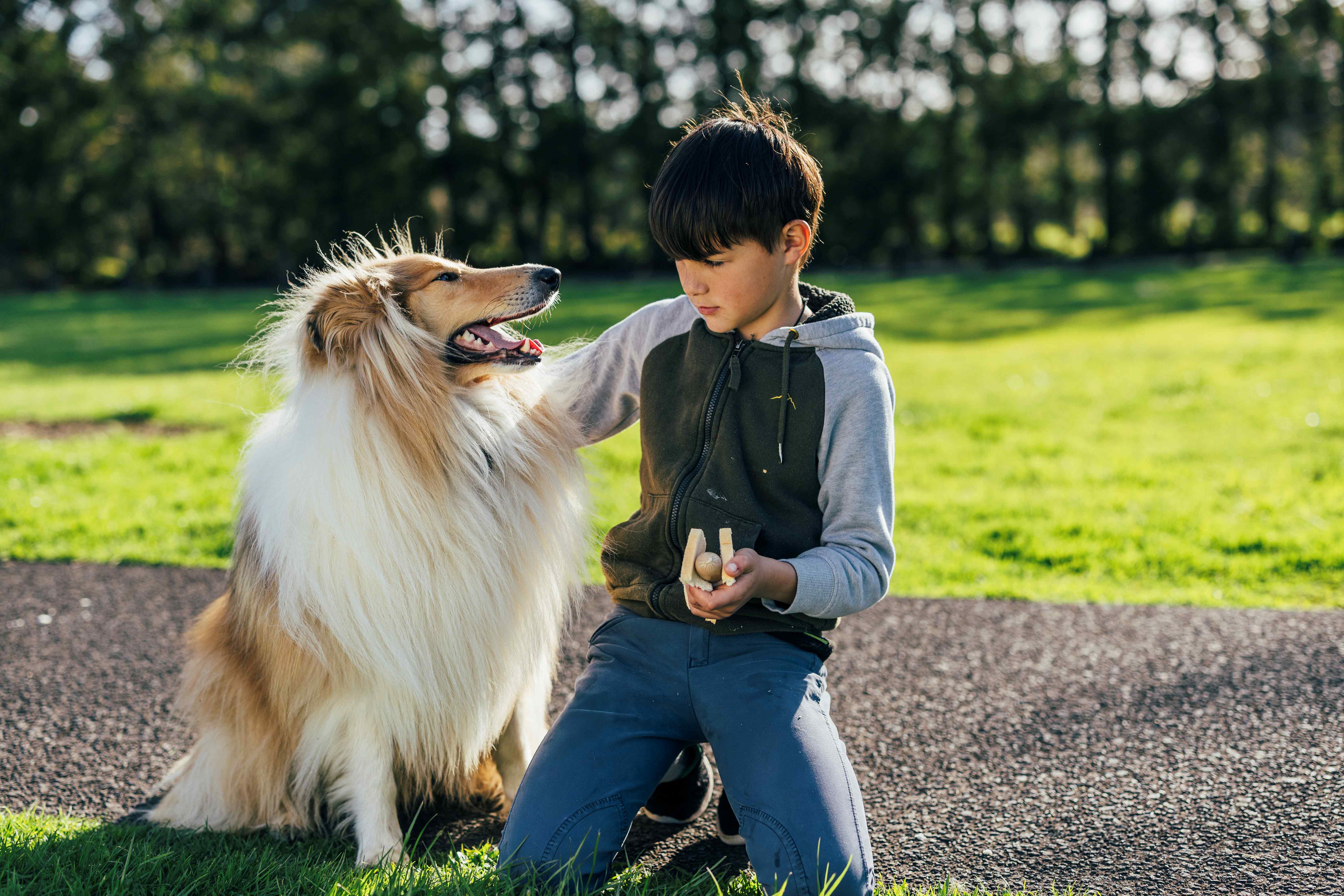
With more than 100,000 registered dogs across the region, they’re part of the family. But when dogs roam, unwanted litters arrive and attacks occur, the consequences can be serious for people, pets and already stretched animal shelters.
Auckland Council’s latest Animal Management Annual Report [PDF 11.5MB] suggests a shift towards prevention, community support and second chances is beginning to pay off.
Reported dog attacks fell by five per cent over the past year, roaming dog complaints dropped by nearly 25 per cent, and reports of aggressive dog behaviour declined by 10 per cent.
Behind those numbers is a team doing considerably more than chasing dogs down the street. Animal Management officers carried out almost 13,700 proactive activities, including targeted patrols, compliance visits, education and community outreach, a 66 per cent increase on the previous year.
Chair of the Regulatory and Safety Committee Councillor Josephine Bartley says responsible dog ownership, prevention and supporting communities should matter to Aucklanders.
“Dogs bring so much joy to our lives, but we also have a responsibility to make sure they’re safe, well cared for and not putting other people or animals at risk.
“The answer isn’t simply to respond when something goes wrong. It’s about working with communities, helping owners access the right support and preventing problems before they start.
“When we get that right, everyone benefits, two-legged and four-legged Aucklanders alike.”
What’s working
Auckland Council’s free desexing programme helped 2,134 dogs through its Henderson clinic and partnership with the SPCA, focusing on high-risk dogs to curb unwanted litters before they happen. The Henderson clinic has completed its first full year and is now a permanent service.
The early results are encouraging: 438 fewer puppies were impounded than in the previous year, easing pressure on shelters and giving more dogs a better start in life.
There’s good news at the other end of the journey, too.
New Zealand’s first dedicated dog adoption centre, in Pukekohe, has completed its first full year, helping drive a 72 per cent increase in direct adoptions through Auckland Council.
An online page featuring dogs available for adoption is also making it easier for Aucklanders to find their next four-legged family member.
And sometimes a second chance leads somewhere unexpected. One puppy featured in last year’s annual report after being found abandoned has since become the unofficial welcome dog at the council’s desexing clinic, greeting visitors and helping nervous dogs feel more comfortable. Not a bad career move for a former shelter resident.
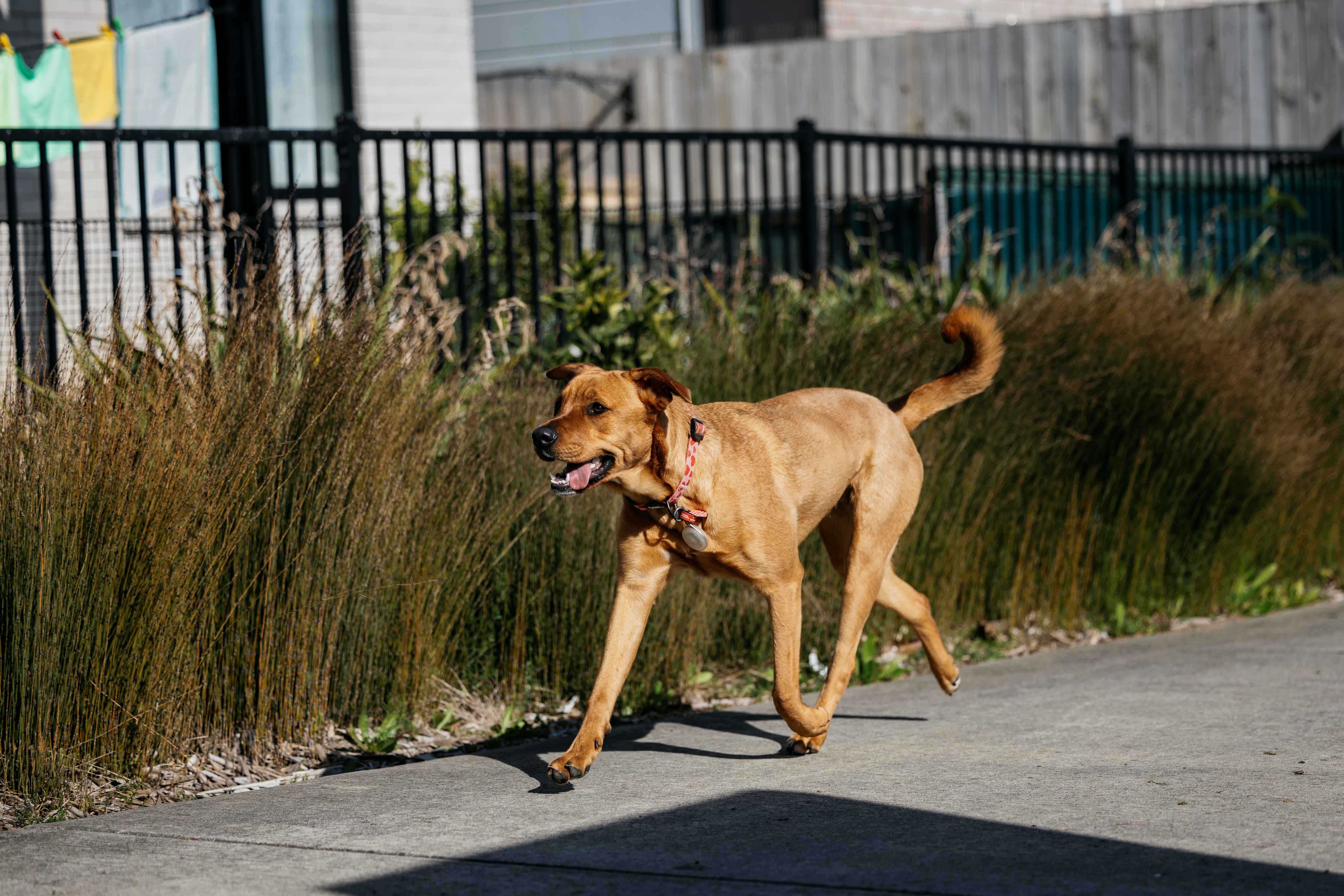
Auckland Council General Manager Animal Management Rob Irvine says the early results show what can be achieved when prevention, practical support and better adoption opportunities work together.
“Every dog that avoids an unwanted litter, every puppy that doesn’t end up in a shelter and every dog that finds a loving home is a step in the right direction.
“We’re encouraged by the progress we’re seeing, but we know there’s so much more to do as the numbers are still too high. Our focus is on getting out into communities, helping owners before problems escalate and giving dogs the best possible chance of a safe, happy life.”
This includes a dedicated Community, Partnership and Engagement team is working alongside communities and organisations, including Kāinga Ora and Blind Low Vision NZ, to connect dog owners with support for desexing, microchipping and registration.
There’s still plenty of work ahead. Fewer complaints and attacks are encouraging signs, not a reason to take the foot off the lead. Safe, well-cared-for dogs depend on responsible owners, accessible support and communities working together.
Labradors, Charlies and safer neighbourhoods
And, for the record, Labradors remain Auckland’s most popular breed, while Charlie and Bella top the favourite dog names.
So, whether your best mate is a Labrador called Charlie or a tiny troublemaker with a name longer than its lead, the goal is the same: fewer dogs in trouble, fewer unwanted puppies, more happy homes and safer neighbourhoods.
That’s a result worth wagging about.