


Thousands of people pass through Newmarket every day, grabbing coffee, catching trains or weaving through traffic on their way across the city.
But deep beneath the busy streets, a very different kind of activity has been taking place.
For the past two years, construction crews have been working up to 24 metres underground, building a major stormwater upgrade that will help improve water quality in Hobson Bay and create a healthier waterway for Auckland.
It's not the sort of project most Aucklanders will ever see. In fact, that's kind of the point.
The Lower Khyber Separation Project is designed to separate stormwater and wastewater networks, helping prevent contaminated overflows from entering the environment. Now complete, it will quietly get on with the job for decades to come.
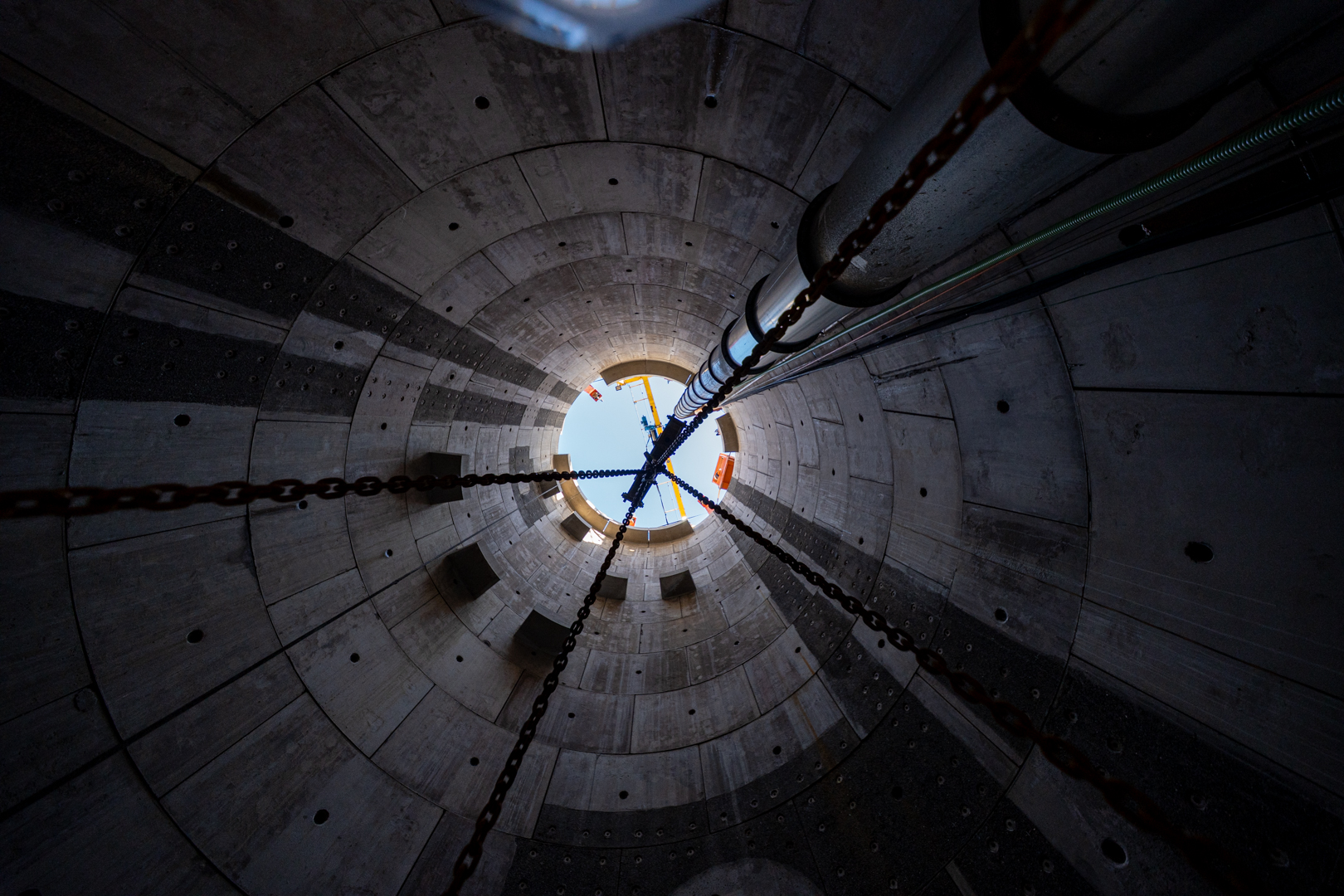
Kyber Pass shaft workers travelled 24 metres down daily to work site.
For site engineer Dylan Henderson, the workday starts with a descent most office workers could only imagine.
"At first, going down the deep shaft was a bit daunting, but it was also incredibly exciting," says Dylan.
"It takes around two and a half minutes just to travel down into the shaft, so everything has to be carefully planned before you head underground."
Working seven storeys below ground comes with its own set of challenges.
Groundwater constantly finds ways to make life difficult, weather can affect conditions underground and every stage requires careful coordination.
But it's also given Dylan a front-row seat to something pretty special.
"It's not every day you get the chance to help build the first stormwater segmental shaft of its kind in New Zealand," he says.
"Seeing the shaft reach its final depth was a real highlight. I'm proud to know the work we're doing will help protect Auckland's waterways for years to come."
He's not the only one who's spent years underground.
Construction team member Ben has been working on the project for nearly two years and knows exactly how demanding the conditions can be.
"In the early days, developing the shaft was the most gruelling part," he says.
"We had to pay careful attention to stabilising the shaft walls. It was very hot working in such a confined space, but you do get used to it, and I'm proud of what the project will achieve for Auckland."
While the engineering achievement is impressive, there's another side to the story that doesn't immediately meet the eye.
The team looked for opportunities to reduce the project's environmental footprint while building infrastructure designed to improve the environment.
One of the biggest wins came from giving old materials a second life.
About 522 tonnes of recycled aggregate left over from Auckland Council's Harania Flood Resilience Project in Māngere was reused on site rather than being sent to landfill.
That's enough material to fill around 30 large truckloads.
Instead of becoming waste, it was used to fill a 12-metre-deep shaft, saving resources and reducing the need for new material.
"It's a simple idea really," says Leigh Steckler, Healthy Waters & Flood Resilience Sustainable Value Team Manager.
"Where materials still have a useful purpose, we want to find ways to keep them in use rather than sending them to landfill. This project shows what's possible when teams look beyond the immediate job and think about the bigger picture."
The sustainability story didn't stop there.
The project team also partnered with Hynds Pipe Systems to use lower-carbon concrete products for key parts of the build, including pipes, manholes and shaft panels.
The result was an estimated 66 tonnes of carbon emissions avoided, roughly equivalent to the amount of carbon absorbed by around 3,000 mature trees in a year.
Auckland Council’s Chair of the Transport and Infrastructure Committee Andy Baker says the project represents one more milestone towards ensuring Aucklanders can enjoy cleaner beaches and waterways.
“Projects like the Lower Khyber Separation Project might be out of sight, but the benefits are something Aucklanders will see and enjoy for years to come.
“By improving the health of our waterways and reducing wastewater overflows, we’re helping protect the beaches, streams and harbours that make Auckland such a special place to live.”
As the final pieces of the project fall into place, the most visible signs of construction will eventually disappear.
The shaft will be hidden. The pipes will remain underground. Most people walking above may never know they're there.
Yet beneath the streets of Newmarket and Grafton, a remarkable piece of infrastructure will be quietly doing its job, helping create cleaner waterways, reducing environmental impacts and making Auckland a little more resilient.
Not bad for something hidden seven storeys underground.