


The new statistics published by Kick Back in their State of the Street Report 2026 last week made sombre reading, but there is hope according to the social agency’s leaders.
For Aaron and Summer Hendry, the simple act of opening a door has grown into something far bigger: a movement helping Auckland's most vulnerable rangatahi (young people) find safety, belonging and a pathway forward.
Their work is not simply about responding to crisis. It is about preventing it, breaking cycles, and changing the systems that allow young people to fall through the cracks.
"It all started when we said 'We've got a room’” says Mr Hendry.
As the founders of The Front Door in Karangahape Road, part of Kick Back, the Hendrys are tackling youth homelessness differently.
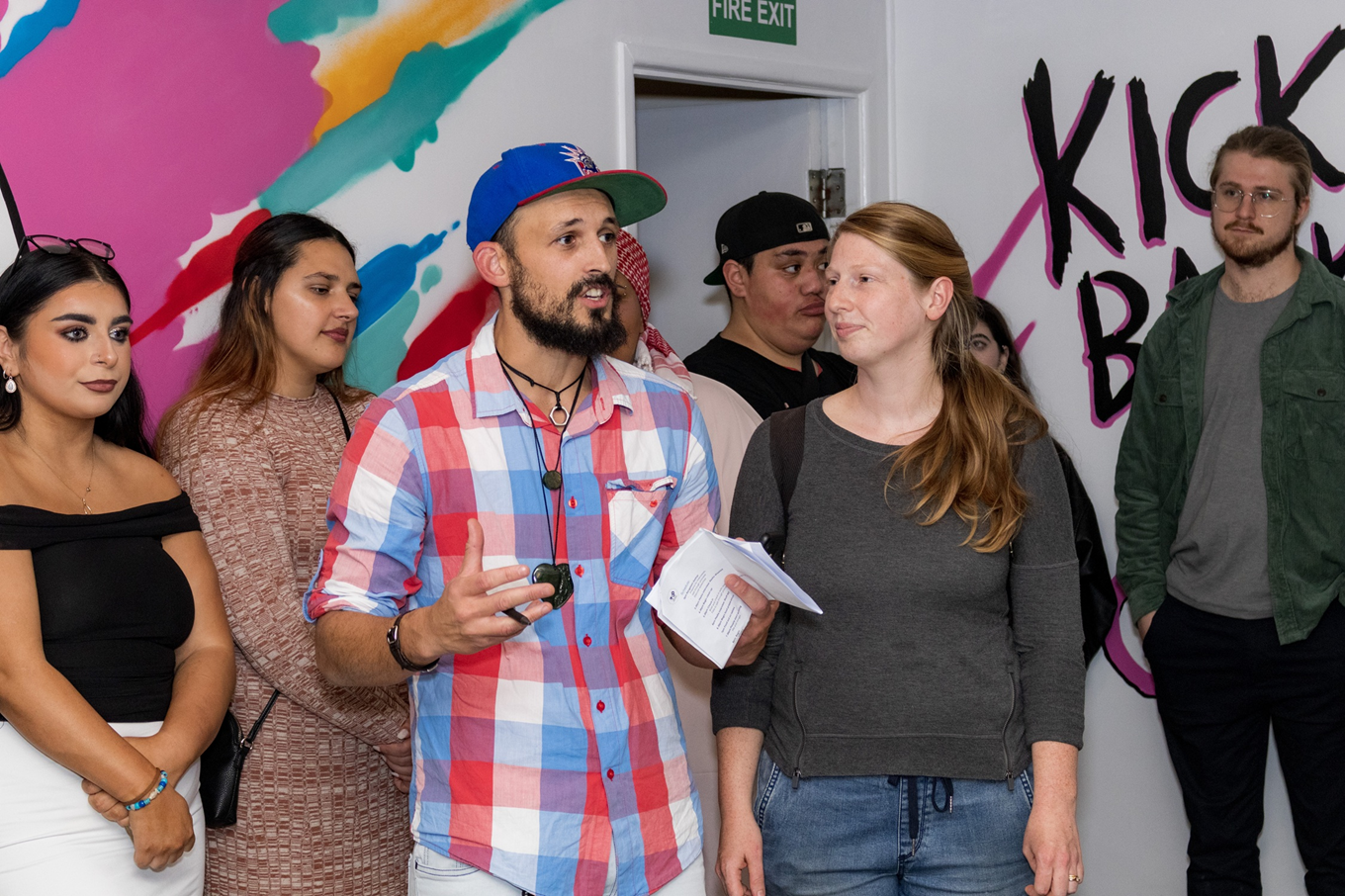
Aaron and Summer Hendry. Photo credit: The Front Door.
"Love is the way. That philosophy sits at the heart of everything we do,” he says.
The Front Door was born from a gap nobody else was filling: supporting young people with nowhere safe to go. Established with seed funding from Auckland Council's Community Impact Unit along with other funders and partners, the council has journeyed with Kick Back since their earliest days.
Many young people supported by The Front Door are not visibly homeless. They are couch surfing, moving between temporary places, or hiding their circumstances from the outside world. Family breakdown, violence, poverty, trauma, and a clash between worlds can leave young people frighteningly vulnerable.
"When you don't fit in a box and you are young, you can be vulnerable," says Mr Hendry.
"One night on the street can have a lifelong impact. People don’t generally understand how dangerous it is – these young people could die."
Chair of Auckland Council’s Community Committee, Councillor Julie Fairey says councillors are committed to funding and resourcing the reduction of homelessness in the region.
“Our commitment is to see it become rare, brief and non-reoccurring. Council teams are provisioned for that commitment, supporting programmes like The Front Door,” she says.
Auckland Council Head of Community Impact Dickie Humphries says that in order for Auckland to be a city we can all be proud of, we need to contribute to solutions that address youth homelessness.
“That means we support people who are best placed to serve the needs of youth. Aaron and Summer are among the people who have the dedication, compassion, skills and support networks we can rely on. We are very grateful for their mahi,” he says.
A thousand coffees
The Front Door was always designed with young people – side by side.
Mr Hendry says it took "a thousand coffees" and countless conversations with rangatahi to understand what was really needed. The Front Door team asked simple questions: What can we do? What would help?
The answers transformed the vision.
Young people wanted more than services. They wanted a safe place. Somewhere to shower. Somewhere to belong. Somewhere that felt like whānau.
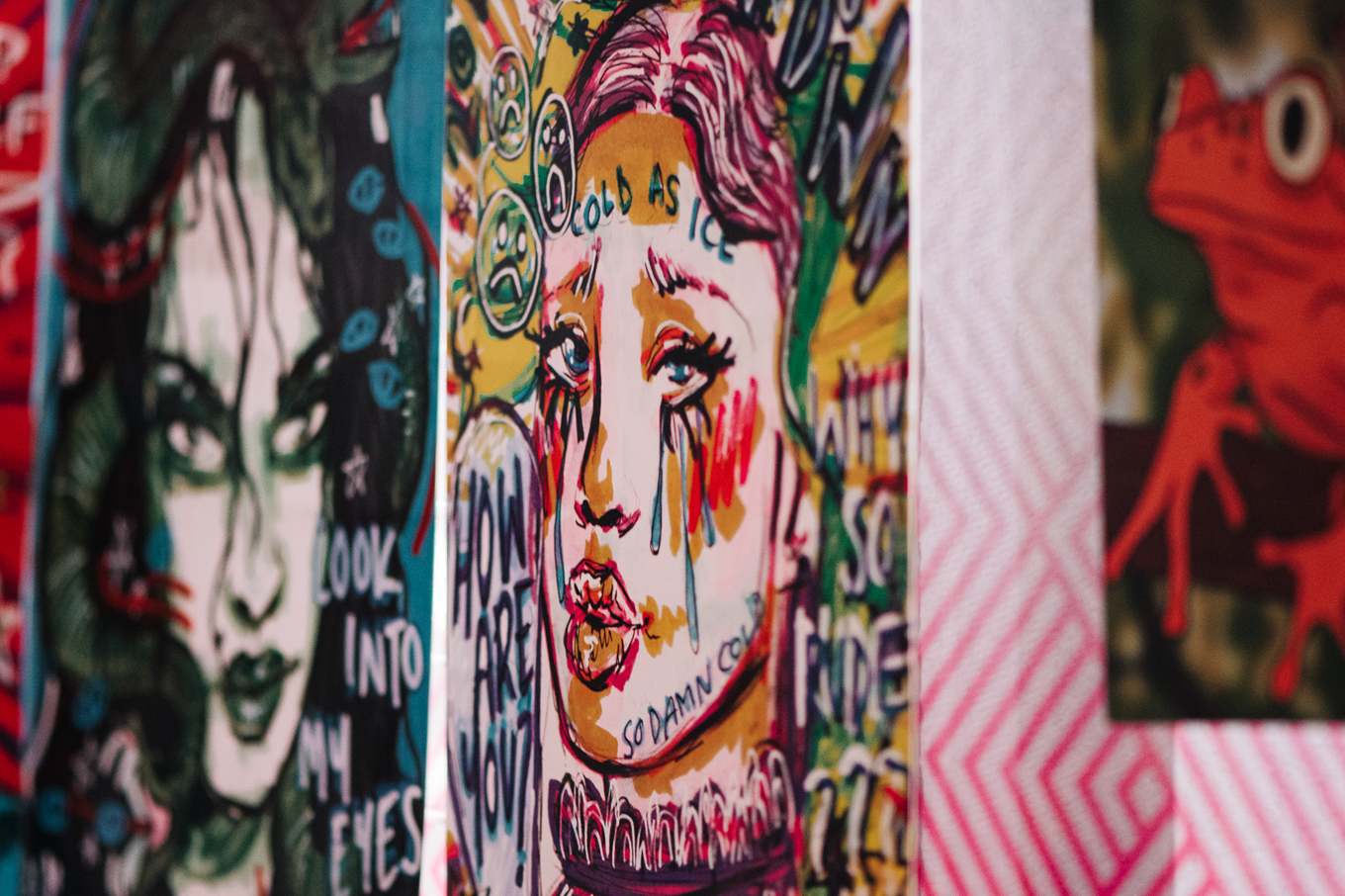
Street art in Karangahape Road. Photo credit: France Hemon.
Today, initiatives such as Mahi Club sit alongside housing, health and wellbeing support, all built around relationships first.
"Young people don't really care about the title, the profession, the service or who you are," Mr Hendry says. "They care about the connection."
Sometimes that means being a counsellor. Sometimes a mentor. Sometimes an advocate.
“We connect our young people with the professionals and services they need, through manaaki and whanaungatanga. They meet with people - real people - and they are guided to access the services they need.”
Importantly, the work does not stop with crisis response. With new Auckland Council funds supporting a proactive outreach approach, The Front Door is able to increasingly reach young people before homelessness occurs.
Trusted adults
The team connects with the trusted adults around them, including schools, deans, counsellors, churches and community organisations.
"Our best interventions are before they have experienced homelessness," says Mr Hendry. "This way we can mitigate the trauma and stress."
That prevention focus also aligns closely with the work by Community Action on Youth and Drugs (CAYAD) to reduce alcohol and other drug harm among young people.
CAYAD is funded by Health New Zealand - Te Whatu Ora - to reduce drug and alcohol harm among young people. It operates in 20 locations throughout New Zealand; Auckland Council being the only council among the 20 affiliates.
By investing early and supporting community-led solutions, CAYAD helps create the conditions where rangatahi can access support before crisis deepens.
The CAYAD team at the council recognises that initiatives like The Front Door, providing trusted relationships and strong community connections, are protective measures that help young people thrive.
And The Front Door's impact extends beyond individual lives. The experiences of the young people who walk through its doors are helping shape conversations about policy, funding and service design across the wider system.
"This is systems change," says Auckland Council's Regional Partnerships Lead (Homelessness), Ron Suyker.
"This hasn't existed before. If we don't give rangatahi the opportunity to get somewhere to sleep safely, they could become tomorrow's homeless adults. What Aaron's doing is breaking cycles," he says.
The results are already significant. Around 30 to 40 per cent of the young people supported by The Front Door are able to safely reconnect with whānau, with staff often acting as a bridge to rebuild relationships, reframe the conversation, and create new possibilities.
For the Hendrys, however, success is measured more simply: it is the young person who finds a safe place to sleep; the young person who starts believing in their future again; the young person who discovers they matter.
"We encourage our young people to grow their capacity, to keep dreaming, to keep pressing up. Believe in doing what you can do. It doesn’t have to be perfect. They have hope that upward change will happen,” Mr Hendry says.
Bespoke social housing
The Front Door team searched for temporary housing for young people needing a safe place to sleep.
“It was serendipitous. We wanted a housing component, and we found Kāhui Tū Kaha. They are a social housing provider in Auckland - also based in Northland – who will take in anyone including tamariki. Their non-judgmental, generous ethos sets them apart.
“We also refer our young people, who are 16 and over, to The Safety Net - another part of Kick Back. They offer a trusted host home model.
“Long-term, we need a bespoke social housing solution. These vulnerable children cannot be housed with adults. It’s not safe for them," Mr Hendry says.
At a time when the challenges facing many young people can feel overwhelming, The Front Door offers something powerful: proof that with aroha, partnership and persistence, cycles can be broken and futures rewritten.
Because, as Aaron says, this is a solvable problem.