


A pilot trial to help protect one of Aotearoa’s most vulnerable native wetland trees is underway in Kaipātiki.
Pest Free Kaipātiki (PFK), with support from the Kaipātiki Local Board, is testing maire tawake, also known as swamp maire, seedlings to see whether any show natural resistance to myrtle rust.
The fungal disease is particularly harmful to maire tawake, with repeated infections potentially leading to tree death.
The seedlings were grown from seeds collected from trees that volunteers have been protecting from myrtle rust. In June, 122 seedlings were moved into a new shade house at PFK’s Puāwai headquarters to begin the trial.
The project began in 2022 when volunteers Kathy McCormack and Maria Valkova noticed maire tawake trees being affected by myrtle rust. They sought advice from myrtle rust expert Dr Robert Beresford, leading to a programme of fungicide spraying, monitoring and seed collection.
Maria has propagated more than 400 seedlings collected from different reserves, with many forming the basis of the resistance trial. Dr Beresford has continued to provide scientific and technical expertise as a volunteer following his retirement.
The Kaipātiki Local Board has a longstanding partnership with PFK, supporting its work to protect and restore Kaipātiki’s natural environment, including projects that help safeguard the area’s native biodiversity.
“This project is a great example of what can be achieved when our local community, volunteers and conservation experts come together to protect Kaipātiki’s unique natural environment. Maire tawake is an important part of our native biodiversity, and it’s encouraging to see the dedication of volunteers and Pest Free Kaipātiki helping to give these young trees a better chance of surviving the threat of myrtle rust.
“The board is proud to support this work and the people who are helping protect our natural environment for future generations.” Danielle Grant, chair, Kaipātiki Local Board
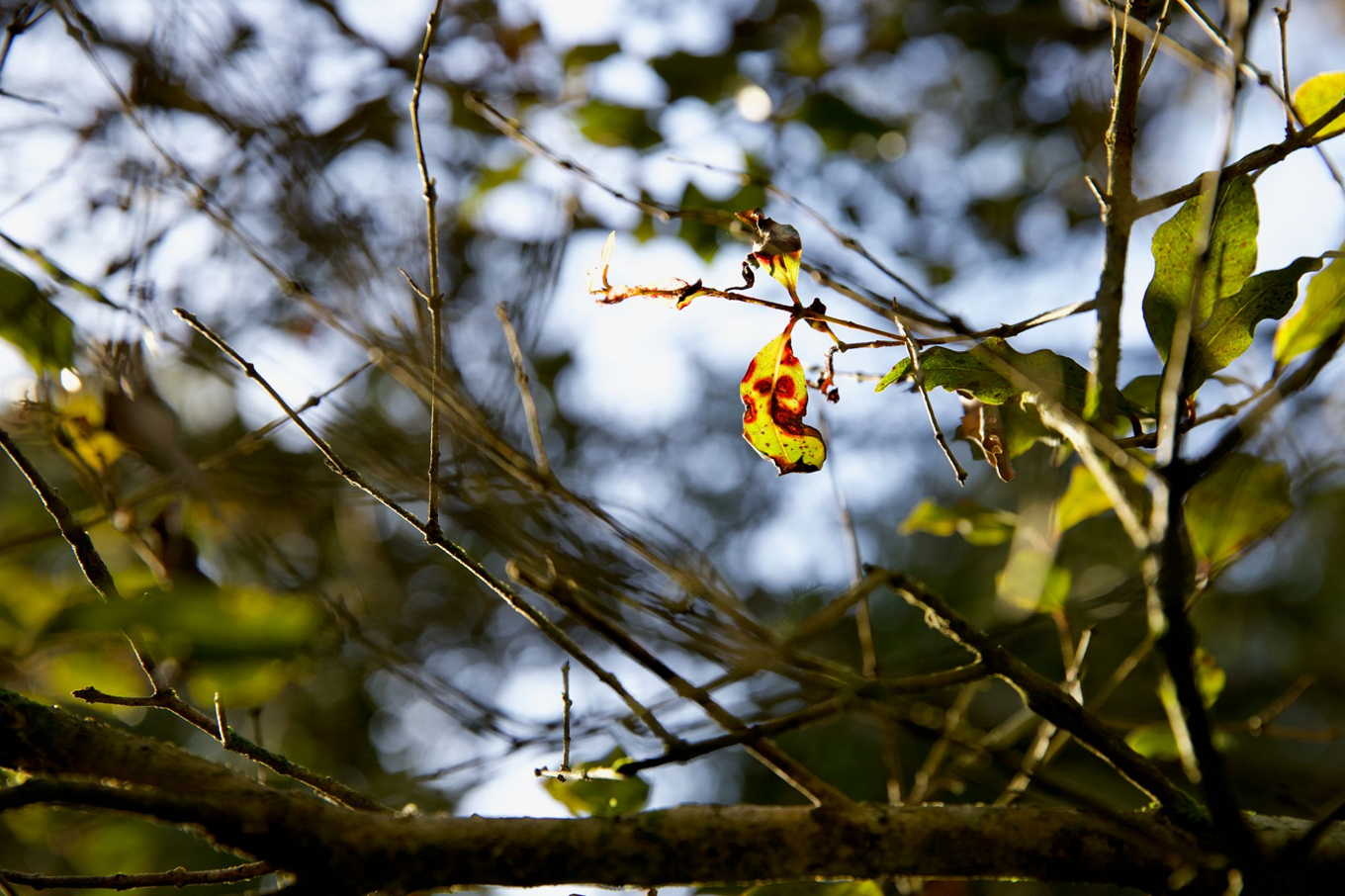
Maire tawake is an important native wetland tree with ecological and cultural significance. It provides habitat for other species, including the maire tawake moth, while its berries were eaten in the past and its bark was used as a source of dye.
The seedlings will be monitored regularly for signs of myrtle rust and growth over several years. If promising resistance is identified, the long-term hope is to return trees to reserves where their parent trees grow, and potentially to other suitable sites in Tāmaki Makaurau.
For Shanti Truong-George of PFK, the project demonstrates what can happen when a community comes together to protect its local environment.
“Being involved in a project that is at the forefront of local conservation is empowering and makes us hopeful that we can protect maire tawake from extinction.”
Find out more about the maire tawake resistance trial: What’s happening at Puāwai?
Sponsor a seedling and follow its journey: Sponsor a Seedling
Stay up to date
Want to stay up to date with all the latest news from your area? Sign up for your Local Board E-news and get the latest direct to your inbox each month