


This World Rivers Day, Aucklanders are being invited to look a little more closely at the rivers and streams flowing through their neighbourhoods because they are telling us a lot about the health of our environment.
Auckland Council monitors water flows, water quality and freshwater ecology across the region, building a long-term picture of how our waterways are changing and what that means for the native species that call them home.
Some of the findings are surprising
Did you know?
Auckland has more than 20,000km of rivers and streams
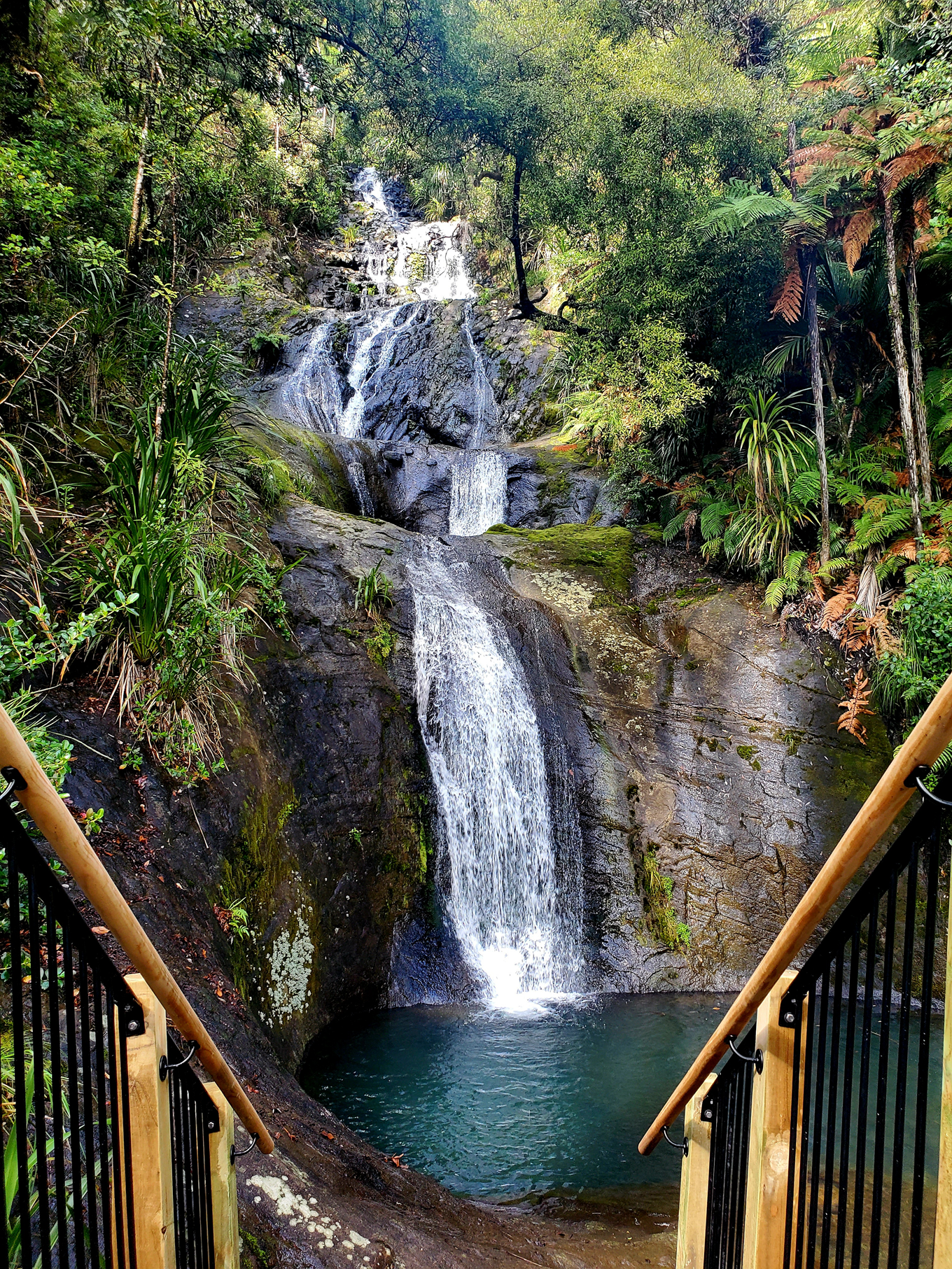
Fairy Falls.
- That is more than twice the length of the Trans-Siberian Railway, and it includes at least 74 waterfalls, the highest of which are Waitākere Falls.
- There is no scientific distinction between a river and a stream; Auckland’s freshwater network includes everything from tiny trickles to major waterways.
- Auckland Council monitors flow at 41 sites, providing information about catchments covering around 30 per cent of Auckland’s mainland and more than 16,500km of river length.
- Water quality is monitored at 51 sites across 48 rivers and streams, while freshwater ecology is monitored at 67 sites across 62 waterways.
Auckland has been watching some rivers for 40 years
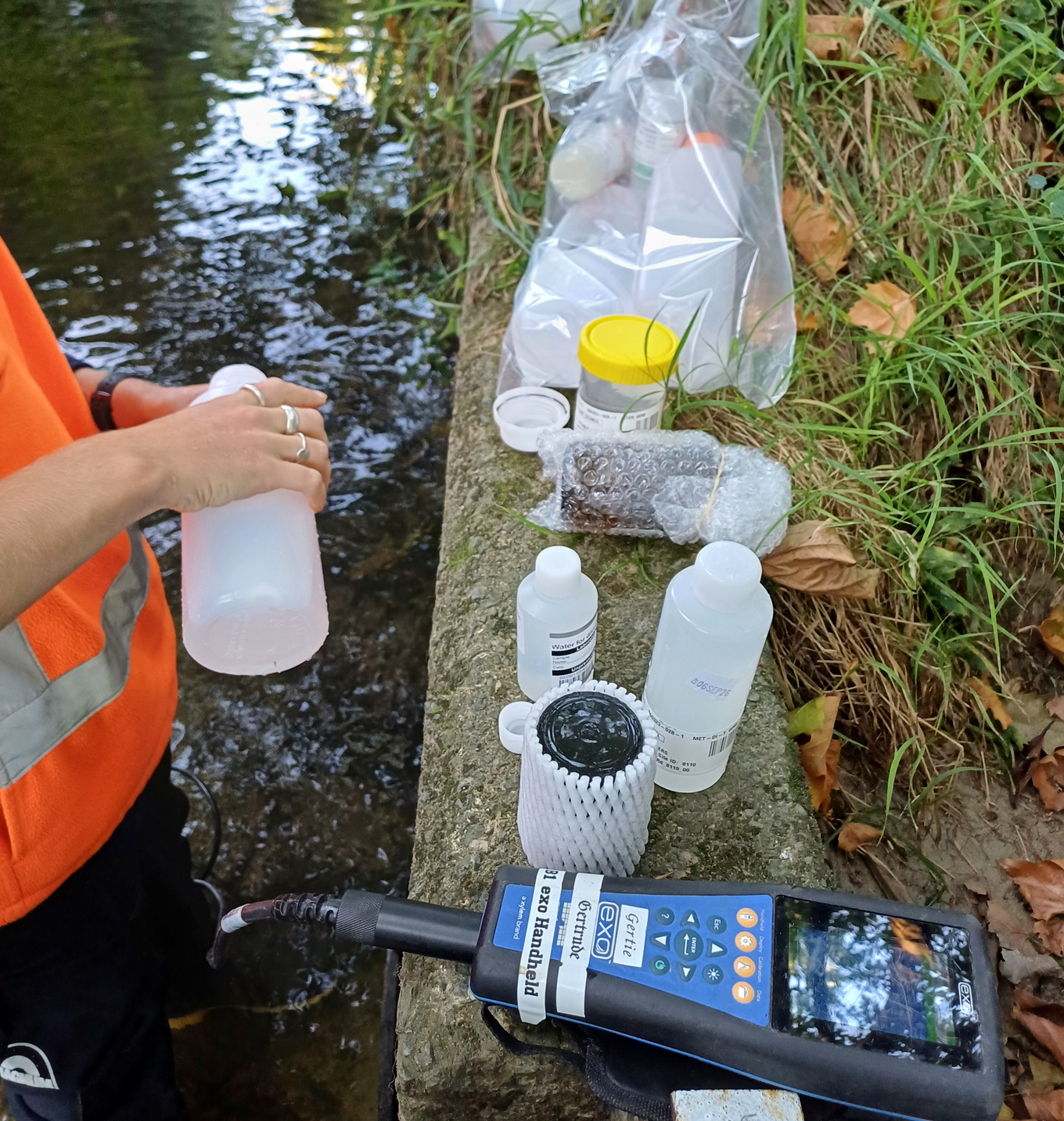
Auckland Council began monitoring water quality at eight rivers and streams in 1986, the same year “Aliens” was terrifying cinema audiences and Slice of Heaven by Dave Dobbyn & Herbs was topping the charts.
That gives scientists a 40-year record showing how water quality has changed.
Long-term monitoring matters; it reveals trends that can be invisible from a single water sample or a single visit.
Auckland’s biggest river can fill 2,300 bathtubs every minute
The Hōteo River in north Auckland is both the region’s longest and largest river. At 28km long, it starts just 4km from the east coast before travelling west to the Kaipara Harbour. Its average flow of 5.9 cubic metres per second is enough water to fill around 2,300 bathtubs a minute.
One Auckland stream has reached almost 32°C
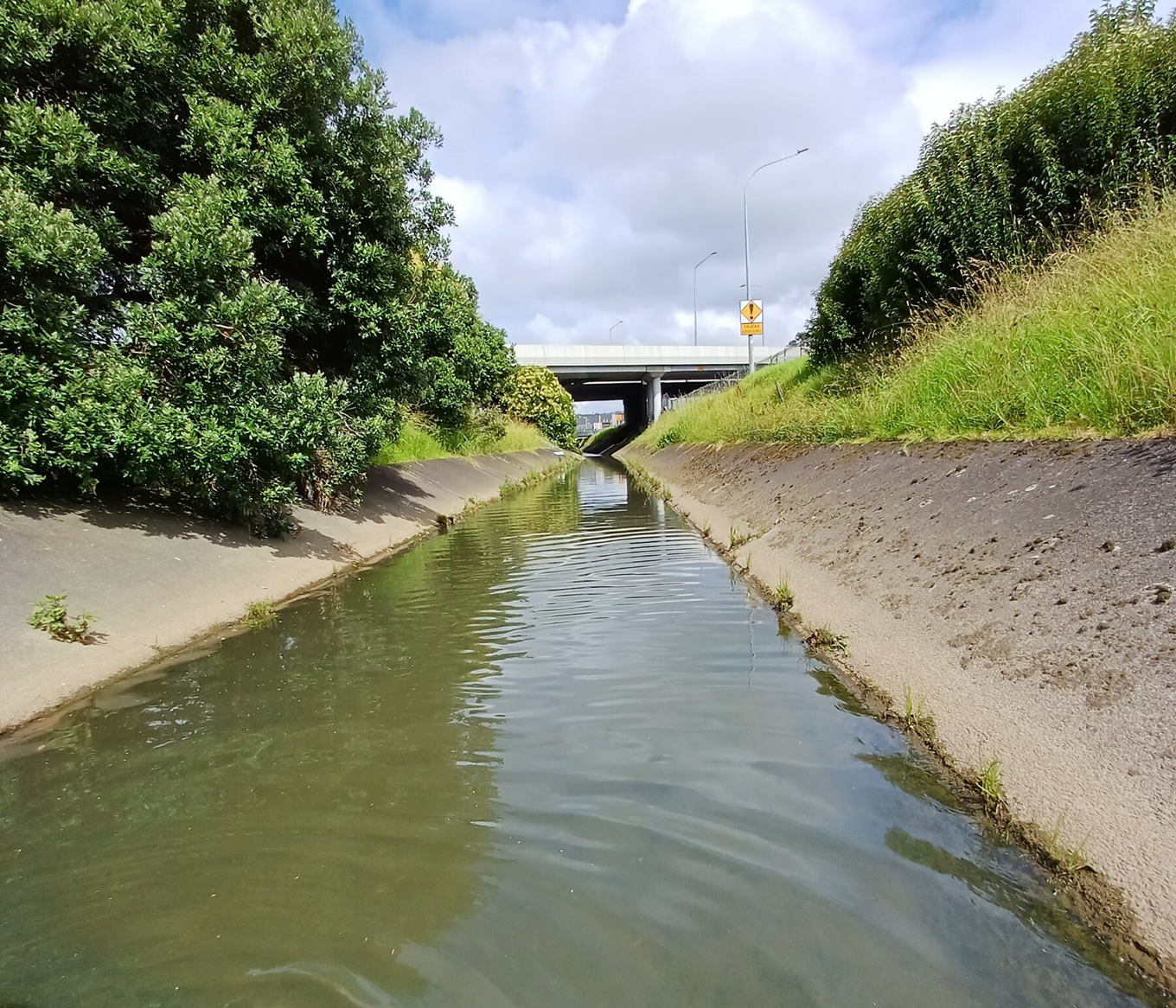
Wairau Creek.
The hottest maximum stream temperature recorded by Auckland Council was in Wairau Creek, Glenfield, where the water reached nearly 32°C – about the temperature of a heated learner pool at Auckland Council leisure centres.
That might sound pleasant for a human swimmer, but it is another story for freshwater life they prefer cooler water [less than 15°C].
And there is a catch: checking a stream just once a month can miss its hottest temperatures by as much as 5°C.
That’s why we are moving to monitoring some Auckland streams to every 15 minutes, giving scientists a much more detailed picture of what is happening in our waterways.
Driving your car drives copper and a galvanised roof sends zinc into our rivers and streams
When it rains, a little bit of city life gets washed towards our waterways – zinc from galvanised roofs and copper from vehicle brake pads.
Auckland Council has been tracking these metals for around 30 years and our recent monitoring shows the Newmarket Stream has some of the highest metal concentrations in Auckland.
So, when it rains, spare a thought for what is being washed off the roads and perhaps take the CRL instead.
Your freshwater bugs will thank you.
62 per cent of Auckland’s native freshwater fish are threatened or at risk
Auckland is home to 21 native freshwater fish species; almost two-thirds are classified as Threatened or At Risk such as the giant kōkopu, our largest native freshwater fish.
Mainland giant kōkopu populations within the Auckland region have been heavily affected by habitat change and are now only found in isolated pockets. Waiheke Island is an important stronghold for this species and Auckland Council is working with the local community to restore spawning habitat and control pests.
The Auckland Region happens to be a national stronghold for banded kōkopu, one of New Zealand’s unique freshwater fish species.
Auckland’s smallest streams can be home to some very special fish
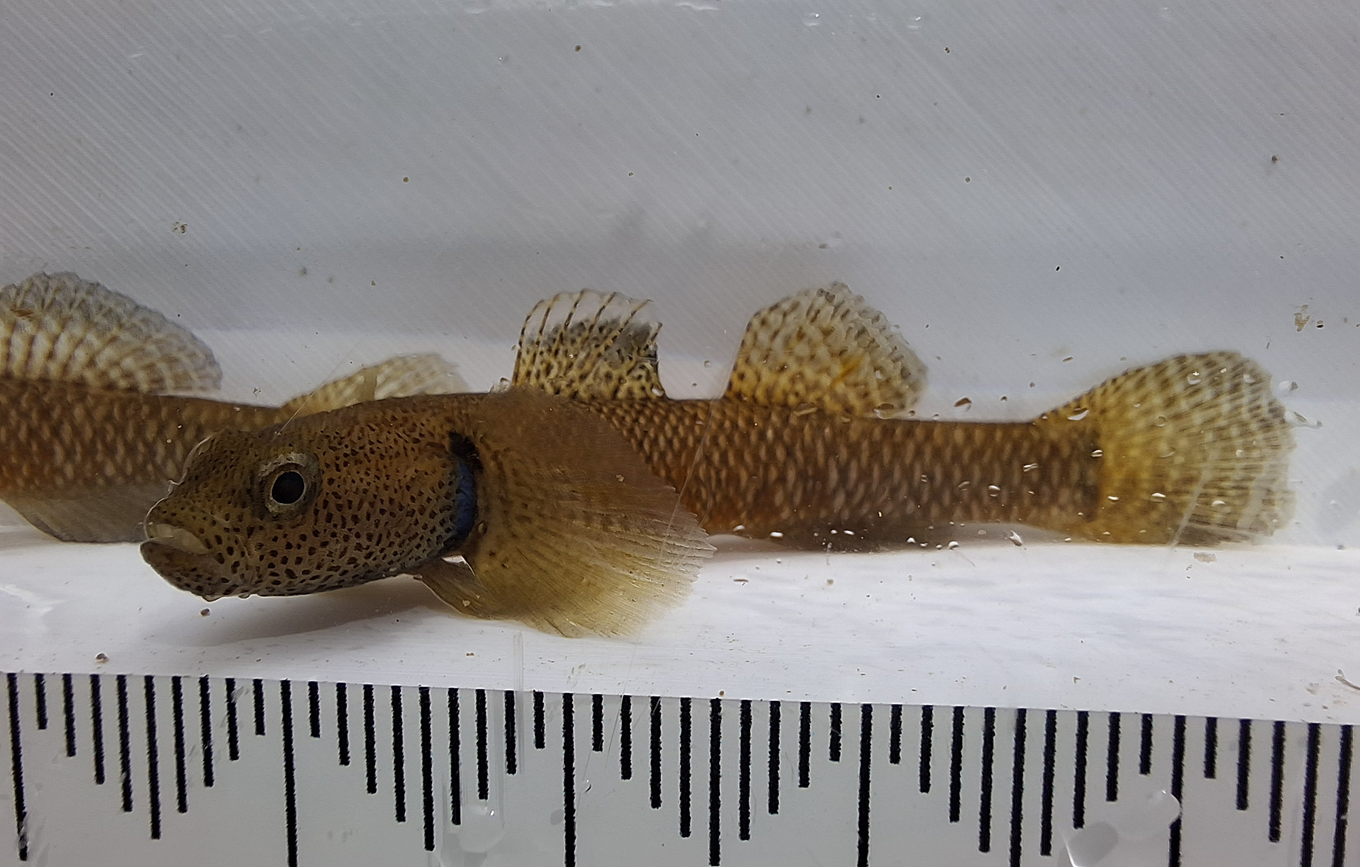
Bluegill bully fish.
Aotea Great Barrier Island is the only place in Auckland where populations of bluegill bully have been found.
These small bottom-dwelling native fish are specialists in clean, clear, fast-flowing streams with rocky beds, where they pick aquatic insect larvae from stones.
So, what are Auckland’s rivers telling us?
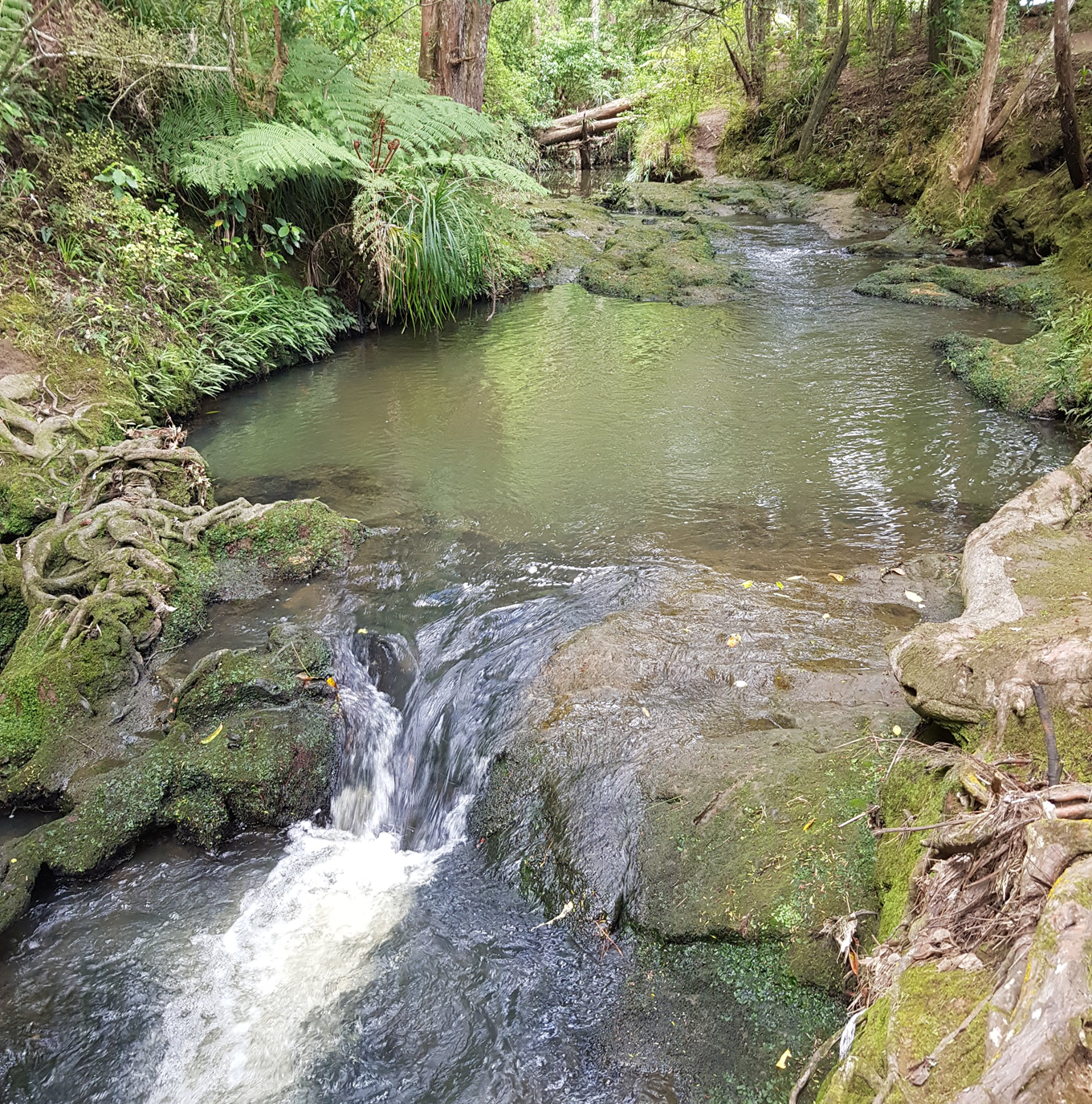
Oteha River.
The message from four decades of monitoring is that Auckland’s waterways are changing and not always in the direction we would like.
Auckland Council’s extensive long-term monitoring network gives our scientists the information to understand where water quality is improving, where pressures are increasing, how rivers respond to changes in their catchments, and which freshwater habitats and species need attention.
This World Rivers Day, the invitation is simple: have a closer look at your local stream.
It may look like just a trickle through the neighbourhood, but it is part of a freshwater network stretching more than 20,000 kilometres across Auckland, providing habitat for some of New Zealand’s most distinctive native species.
Every river has a story. Long-term monitoring helps us read it.
For environmental data and technical documents please visit: