


Spoiler alert: Possums are being pursued, kōkako are multiplying, streams are getting cleaner. And, yes, some of your rates are responsible.
Ever looked at your rates bill and wondered where the $44 Natural Environment Targeted Rate goes?
Or the $11 Water Quality Targeted Rate?
Good news: it’s not just sitting quietly on a spreadsheet doing nothing.
Turns out, it’s out in the bush, in the streams, on the islands, in schools and occasionally up to its knees in mud.
And there are some impressive results.
Auckland Council’s latest Natural Environment and Water Quality Targeted Rates Highlights Report 2025/2026, reveals what Aucklanders are getting for their $55 investment in protecting native wildlife, improving water quality and making the region’s environment more resilient.
And it is the sort of work you can see!
More birdsong, fewer pests
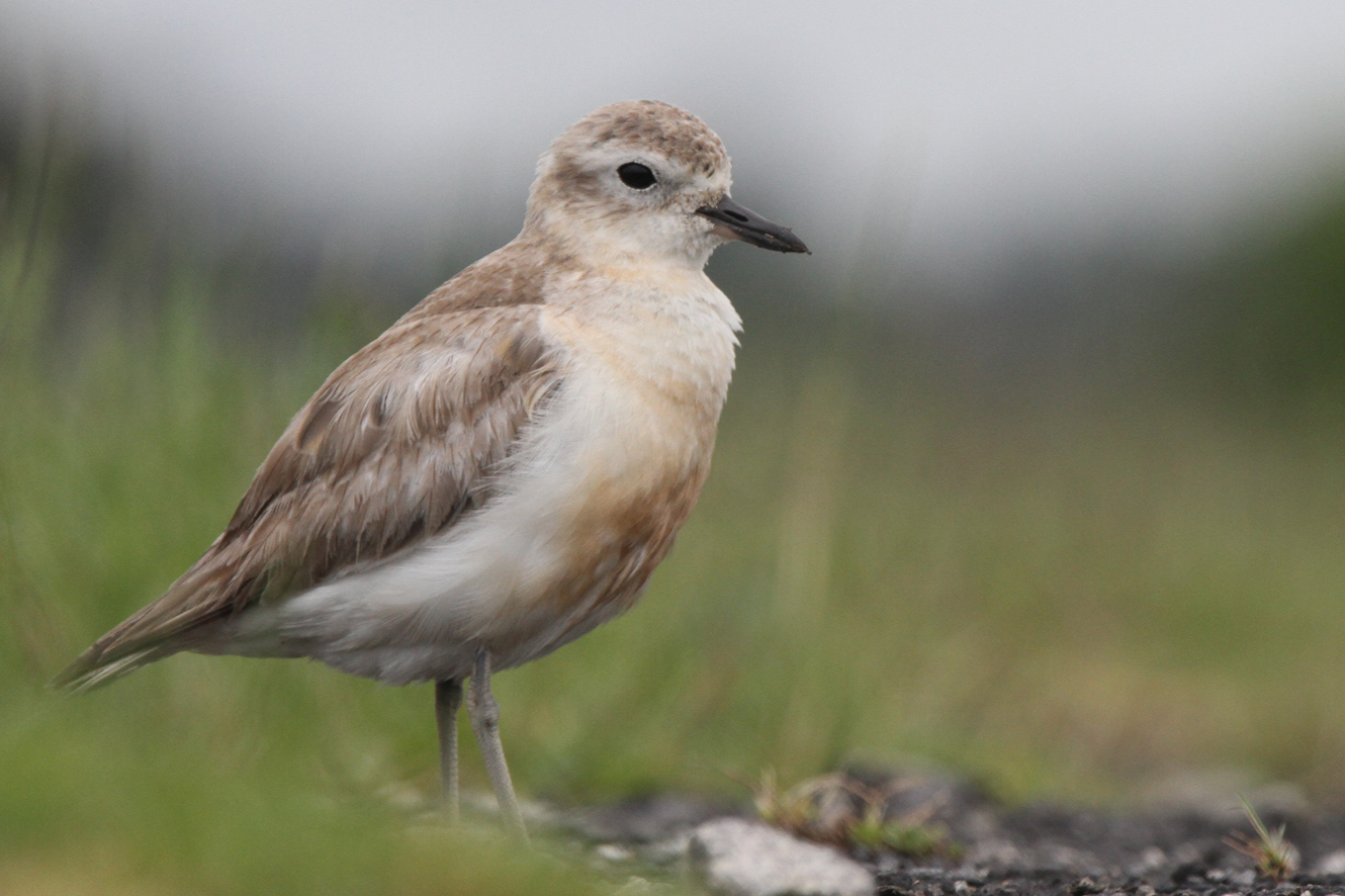
The Natural Environment Targeted Rate helps protect the dotterel.
Councillor Richard Hills, Chair of the Policy, Planning and Development Committee, says the benefits are becoming increasingly obvious in the places Aucklanders love to explore.
“When I’m out hiking or walking around Auckland, I notice the benefits of this investment with my own ears, eyes and nose,” he says.
“I hear more native birds and see healthier bush and know there’s a huge amount happening behind the scenes to keep the environment thriving.
“These targeted rates were created because Aucklanders were clear they wanted stronger action on the environment, and that’s what they’re getting. It’s long-term work, but we’re seeing some impressive results already.”
So, where is the $44 annual charge for the Natural Environment Targeted Rate going?
Sorry possums, this isn’t your year!
A sizable chunk is going towards the ongoing battle against possums, stoats, rats and other pests that have made themselves a little too comfortable in Auckland over the years.
Pest control covered a whopping 51,000 hectares of possum habitat.
And in the Hūnua Ranges, kōkako are clearly enjoying the change of management with the departure of these four-legged fiends! There is now a record 418 kōkako breeding pairs, making it the largest mainland kōkako population in New Zealand.
For the kōkako, that’s excellent news.; for the possums, not so much.
There has also been major progress towards wallaby and possum eradication on Kawau Island, continued protection of kiwi and other taonga species on Waiheke, and support for more than 520 community conservation groups across Auckland.
So, next time you come across someone wandering around the bush with a trap in a pair of gumboots, spare a thought for the science, planning and technology going on behind the scenes.
Never too young to lend a hand
It’s not just the grown-ups doing the conservation work.
More than 23,000 students have taken part in environmental education and restoration programmes in the last year.
That means muddy boots, native planting, learning about local wildlife, restoring streams and wetlands, and hopefully taking a few good environmental habits home to the family.
Technology is lending a hand too, with drones, artificial intelligence, smart cameras and better data helping conservation teams work smarter and get more value from every ratepayer dollar.
Environmental Services General Manager Samantha Hill says the sustained investment, combined with the efforts of communities across Auckland, is producing real results.
“Native species are recovering; pest numbers are falling and ecosystems becoming more resilient.”
And somewhere, a kōkako is probably feeling pretty pleased with itself.
Your $11 isn’t going down the drain
Then there’s the $11 Water Quality Targeted Rate.
Those $11s are working hard helping fund pipes, infrastructure, inspections, restoration work and enforcement needed to improve Auckland’s streams, beaches and harbours including the beaches many of us head to for a swim when summer arrives and temperatures start climbing.
More than two kilometres of new stormwater infrastructure was completed in Auckland’s western and eastern Isthmus over the past year.
Plus:
- more than 2,800 drainage inspections were completed, and thousands of properties have been identified for future stormwater and wastewater network separation
- more than 1,100 septic systems were repaired through Safe Septic compliance work
- and $560,000 went into stream and wetland restoration in rural Auckland.
Then there’s enforcement; not a gentle nudge; more a “we really mean it” approach.
Water quality enforcement notices increased by 400 per cent for activities that threaten water quality.
Craig Mcilroy, General Manager Healthy Waters and Flood Resilience, says the aim is simple: healthier waterways and more resilient communities.
“Ultimately, this is about the places Aucklanders enjoy every day, cleaner streams, healthier harbours and beaches we can swim at on those great summer days,” he says.
“It’s also about making Auckland better able to cope when the weather doesn’t play ball, by investing in stormwater infrastructure and flood resilience.”
It takes a whole flock and then some!
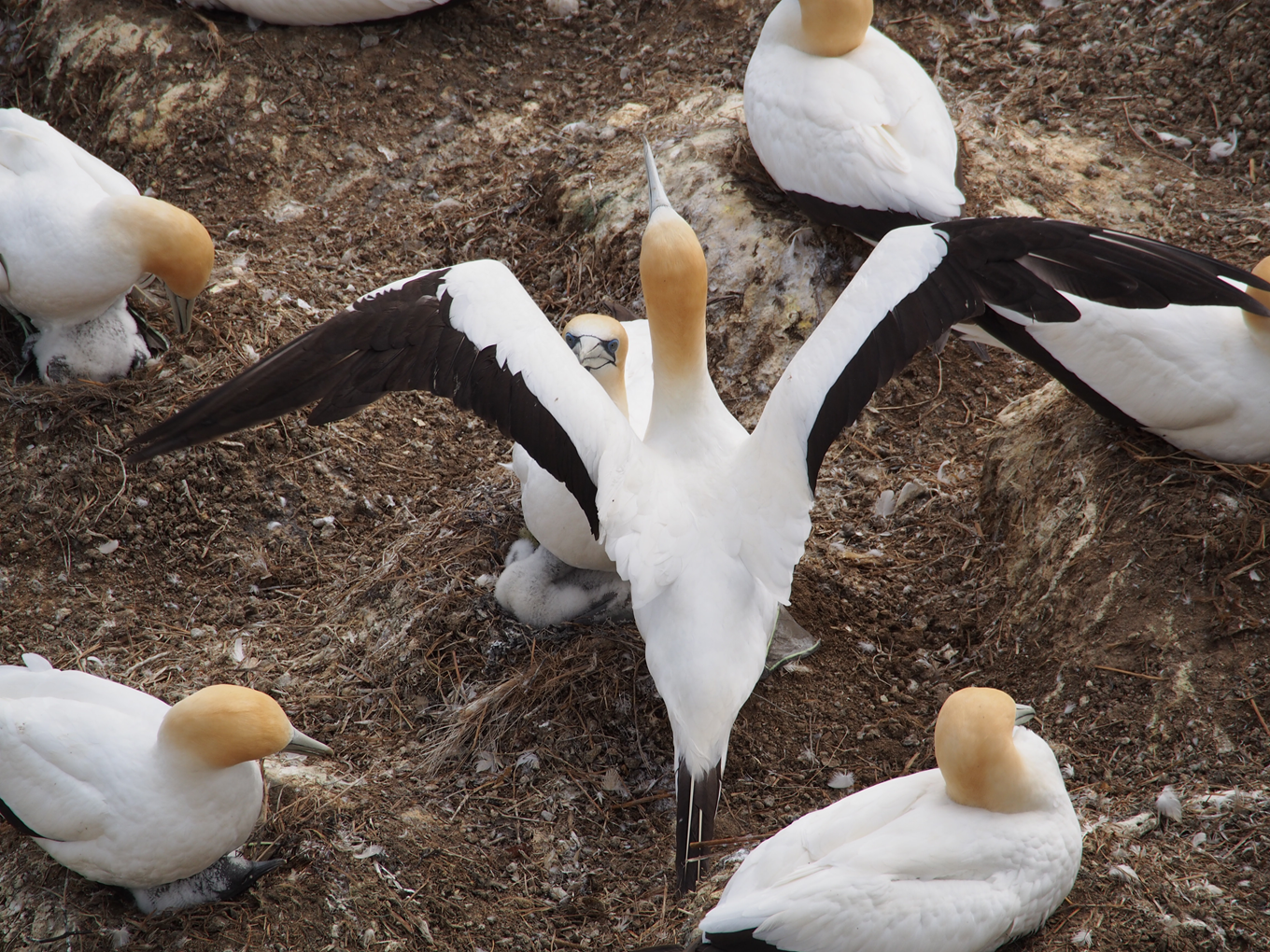
Gannet colony at Muriwai. Photo credit: Todd Landers.
Even with a targeted rate, none of this happens by council alone.
Mana whenua, community groups, schools, volunteers, businesses, landowners, environmental organisations and government agencies are all pitching in to help with the mahi.
So next time the rates bill arrives in your inbox or mailbox, spare a thought for what that $55 a year helped achieve.
It helped protect kōkako in the Hūnua Ranges.
It helped keep pests on the run.
It helped restore streams and wetlands.
It helped improve the water around Auckland.
And it helped make sure the natural places we love are still here for the next generation.
Because your $55 a year in targeted rate has done the “wild thing”, not sat quietly on a spreadsheet.